
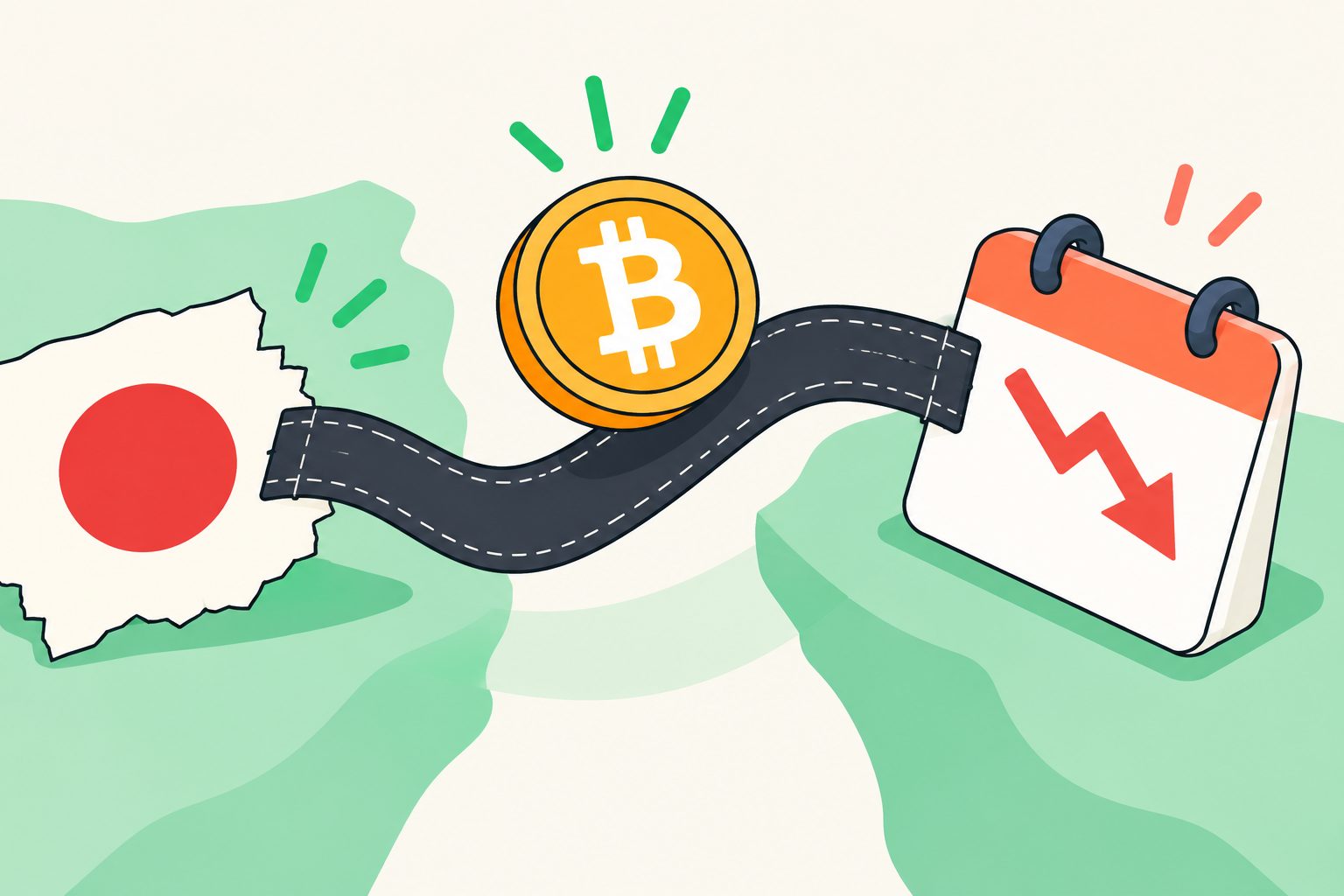
Tokyo’s November inflation gauges diverged: consumer prices excluding fresh food rose 2.9% year over year, up from 2.6% in October, while the measure also excluding energy slowed to 2.5% from 2.6%, the Statistics Bureau of Japan said. The weaker yen reduced the dollar cost of repaying fixed, unhedged yen loans used to buy Bitcoin.
Tokyo’s all-items inflation rate edged up to 2.8% from 2.7%. Electricity prices rose 9.5% year over year, compared with 1.7% in October, and city gas prices increased 13.7%, up from 4.9%. Energy added 0.34 percentage points to the all-items rate, including 0.22 points from electricity and 0.11 from city gas. The figures are preliminary and cover Tokyo’s 23 wards.
The dollar rose from 159.16–159.18 yen at Thursday’s 5 p.m. Tokyo quote to 159.33–159.35 yen at Friday’s 5 p.m. quote, according to the Bank of Japan. CoinGlass data showed Bitcoin reached 60,472 USDT on Binance on Nov. 27. A trader borrowing yen to buy Bitcoin needs more dollars to repay the same balance if the yen strengthens; loan interest costs can also rise when financing is renewed at a higher rate.
Japan’s Ministry of Finance scheduled a two-year bond auction for Nov. 30, with the notice at 10:30 a.m. and results at 12:35 p.m. Tokyo time. The weighted-average accepted yield at October’s auction was 1.91%. A rise in the secondary-market yield alongside a stronger yen could make refinancing more expensive while increasing the dollar value of existing yen debt. The number of Bitcoin positions funded with yen is unclear; Bank for International Settlements researchers have noted the difficulty of sizing currency carry trades.