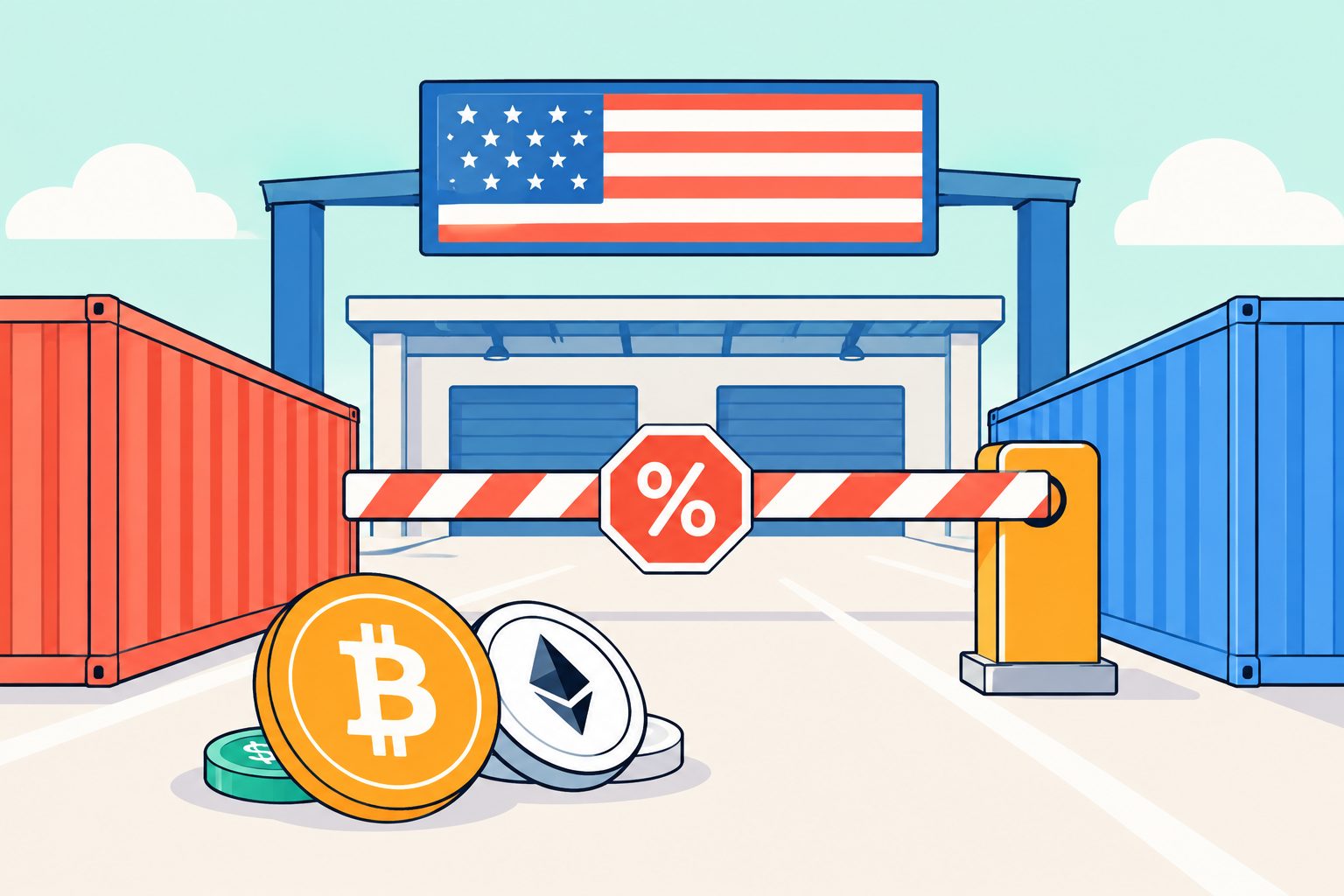
The Wall Street Journal reported on Nov. 24 that U.S. Trade Representative Jamieson Greer could release findings from a months-long manufacturing overcapacity investigation as soon as this week, potentially paving the way for higher tariffs on China, the EU and other partners.
The USTR docket had no determination or tariff schedule as of Nov. 24, leaving the products covered, rates and start date unknown.
USTR opened Section 301 investigations on March 11 into whether manufacturing subsidies and other policies sustain capacity beyond demand and burden or restrict U.S. commerce. The inquiry covers 16 economies: China, the EU, Singapore, Switzerland, Norway, Indonesia, Malaysia, Cambodia, Thailand, South Korea, Vietnam, Taiwan, Bangladesh, Mexico, Japan and India. Hearings took place May 5–8.
On Nov. 20, Greer told Bloomberg Television he expected the work to finish by year-end but declined to identify which economies might face additional tariffs. The USTR docket still listed the investigation’s opening and hearings on Nov. 24; published USTR notices and White House, Treasury and Commerce listings showed no announcement of the action described by the Journal.
Under Section 304 of the Trade Act, USTR must decide whether the practices are actionable and, if so, what action to take. It must publish its determination and supporting facts in the Federal Register. Examining how products are made or subsidized does not itself establish which goods would face duties.
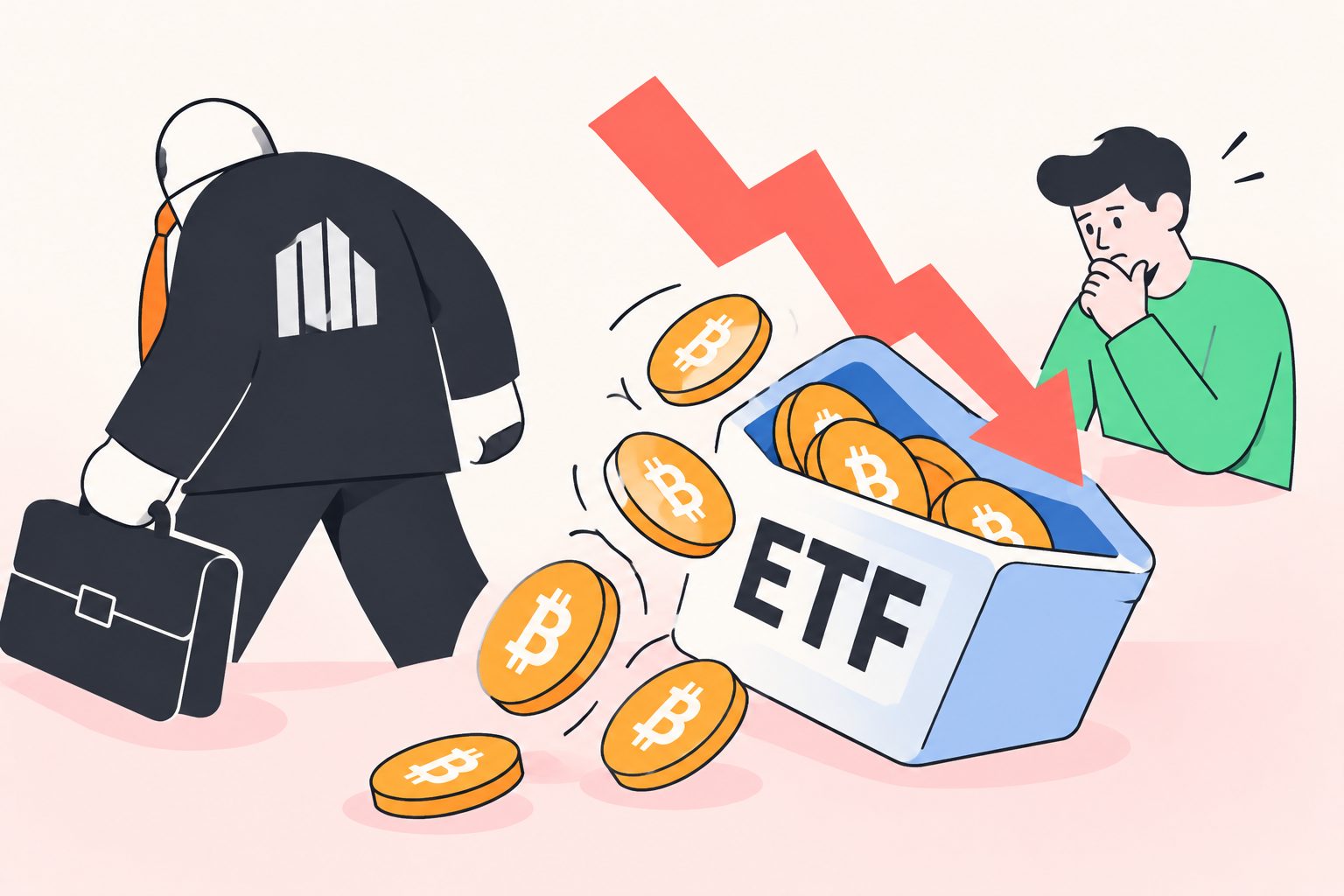
Tariff headlines can move markets before importers know the final terms. In October 2025, Bitcoin fell during a broader selloff after Trump signaled a possible tariff increase on China. On April 9, 2025, Trump announced a 90-day pause in some higher tariffs while raising the rate for China; an executive order set changes for covered goods entering for consumption from 12:01 a.m. ET on April 10. Those changes were made under separate authority from the current investigation.