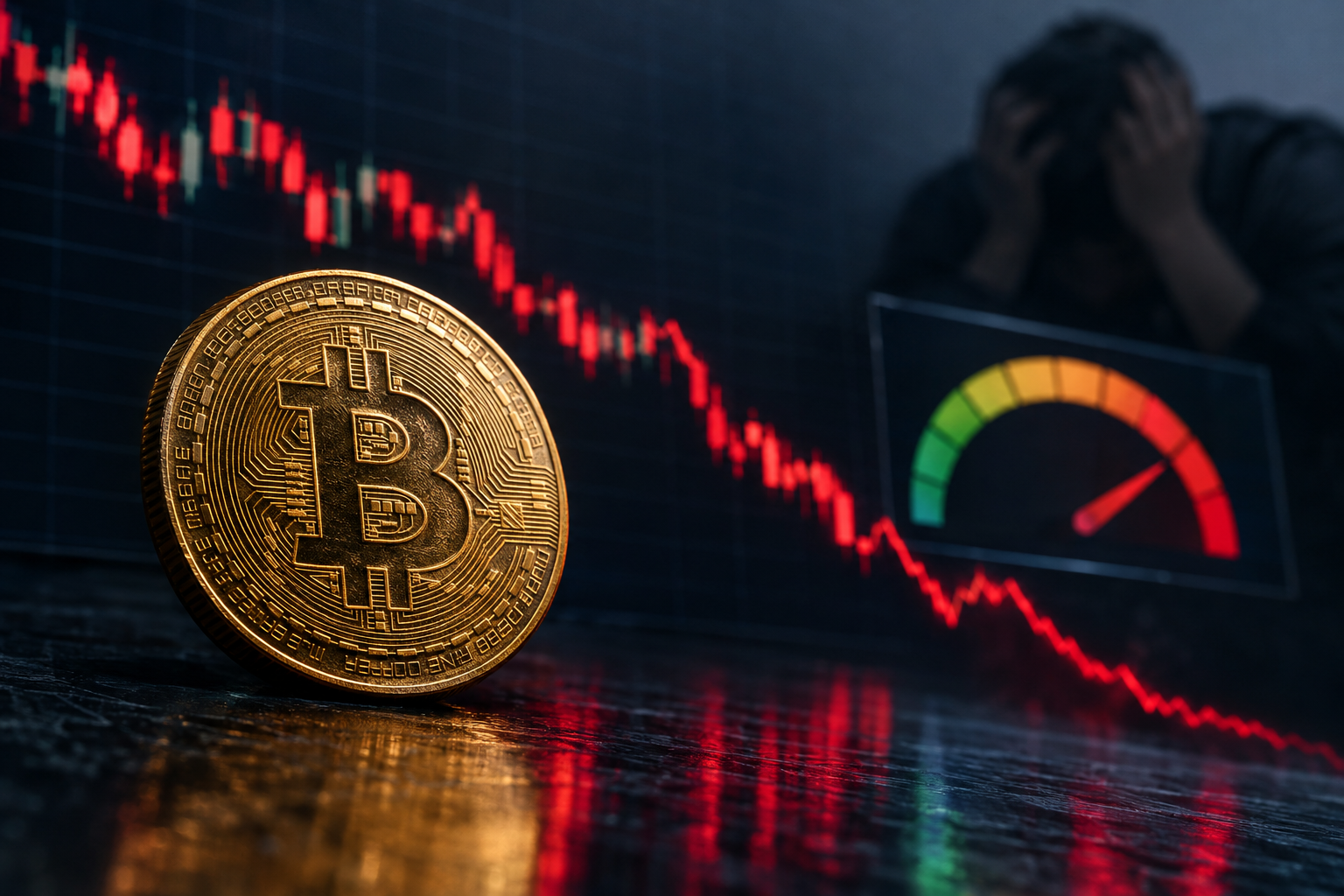

Bitcoin fell to $60,000, its lowest level in 20 weeks, as a selloff in US tech stocks weighed on crypto. The Nasdaq Composite dropped 1.2% to 23,517, its lowest since mid-April, while markets reassessed AI prospects after Anthropic’s IPO. Analysts cited macroeconomic headwinds that could limit BTC’s strength.
Anthropic shares rose as high as $115 before falling below $100 to $87.27. Although the stock opened 34% above its offer price, it ended up 17%, according to QCP Capital: “Even Anthropic’s blockbuster IPO failed to restore confidence. Despite opening 34% above its offer price, shares faded to close up just 17%, highlighting a market increasingly unwilling to chase AI valuations,” it wrote.
QCP said financing concerns remained a focus for the AI sector in 2026, adding: “AI has become more than an equity growth story. It is increasingly a credit and liquidity story,” and “As infrastructure spending becomes more dependent on debt financing, weaker investor appetite could push borrowing costs higher, tighten financial conditions and trigger broader deleveraging.”
Investors’ move toward safety coincided with lower US bond yields. The 10-year Treasury yield reached 4.96%, its lowest since Nov. 10. A speech by Federal Reserve governor Christopher Waller offered no new policy signals, and yields later reversed as traders focused on existing hawkish cues. Earlier in the week, Waller told CNBC he considered a 50-basis-point rate hike in December necessary, twice the market’s 25-basis-point expectation.
Economist Mohamed El-Erian said he was surprised yields had not fallen further. “Reflecting this week’s sharp fall in stocks, where a seventh straight day of S&P 500 losses would mark its longest losing streak since 2020, the yield on the 10-year Treasury has pulled back to 4.97%,” he wrote. “While the direction aligns with conventional correlations, the relatively modest size of this week’s yield move down is less typical.”
QCP said a sustained Bitcoin recovery would require tech stocks to stabilize, rate volatility to ease and institutional capital to return. “Until then, short-covering rallies may struggle to develop into sustained upside, particularly if the Fed remains committed to tightening,” it concluded.