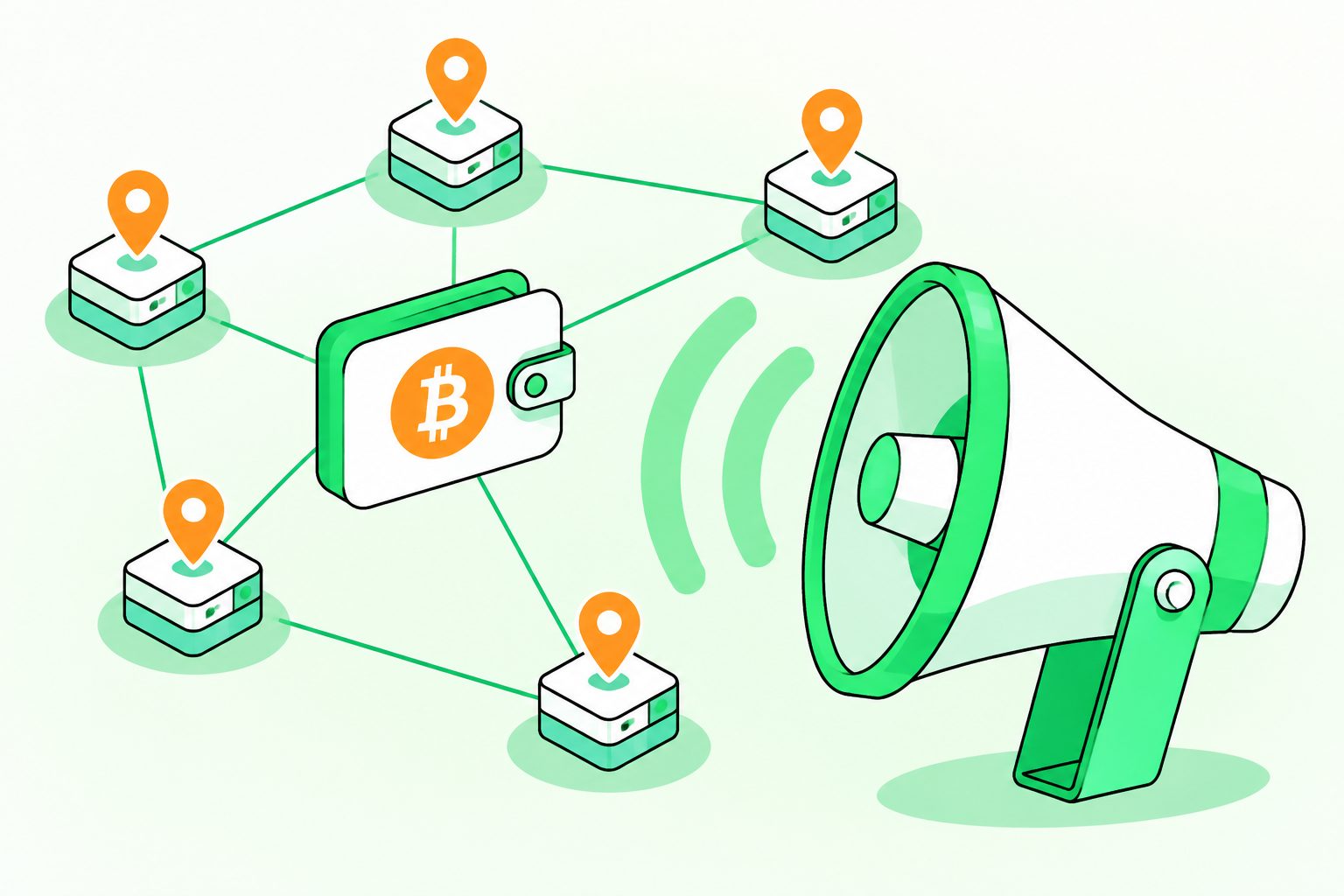
On Nov. 25, Abubakar Sadiq Ismail reported correctly matching Bitcoin addresses to nodes in 30 out of 30 attempts on regtest, Bitcoin Core’s local testing network. Wallet rebroadcasts can reveal which node tracks an address, including when the wallet is watch-only and holds no spending keys.
Bitcoin Core wallets can announce an unconfirmed transaction again after learning about it. That network activity may link an address or unspent transaction output to the node whose wallet recognizes it; the blockchain itself does not reveal who is monitoring an address. A match shows wallet tracking, not who owns or controls the funds. One node may track addresses belonging to different users, and an operator may run multiple nodes.
Private broadcast can shield a transaction’s initial announcement, but a later wallet rebroadcast may expose it if the transaction remains unconfirmed. Ismail also warned that a node using Tor or I2P alongside public-internet peers could reveal its public IP. Restricting peers to Tor or I2P can protect that IP, though the address may still be associated with the node’s identity on the privacy network.
The -walletbroadcast=0 setting disables wallet-initiated announcements, including automatic announcements of the user’s own transactions; users would need another way to relay payments. Bitcoin Core pull request #36482, opened Oct. 8 and still open on Nov. 27, would limit rebroadcasts to transactions the node newly accepts into its mempool. It would still allow a transaction that dropped out of the mempool to be relayed again if accepted anew. Other rebroadcasts could continue to expose which node recognizes a transaction. Ismail’s regtest results do not estimate how often attribution would work on mainnet.