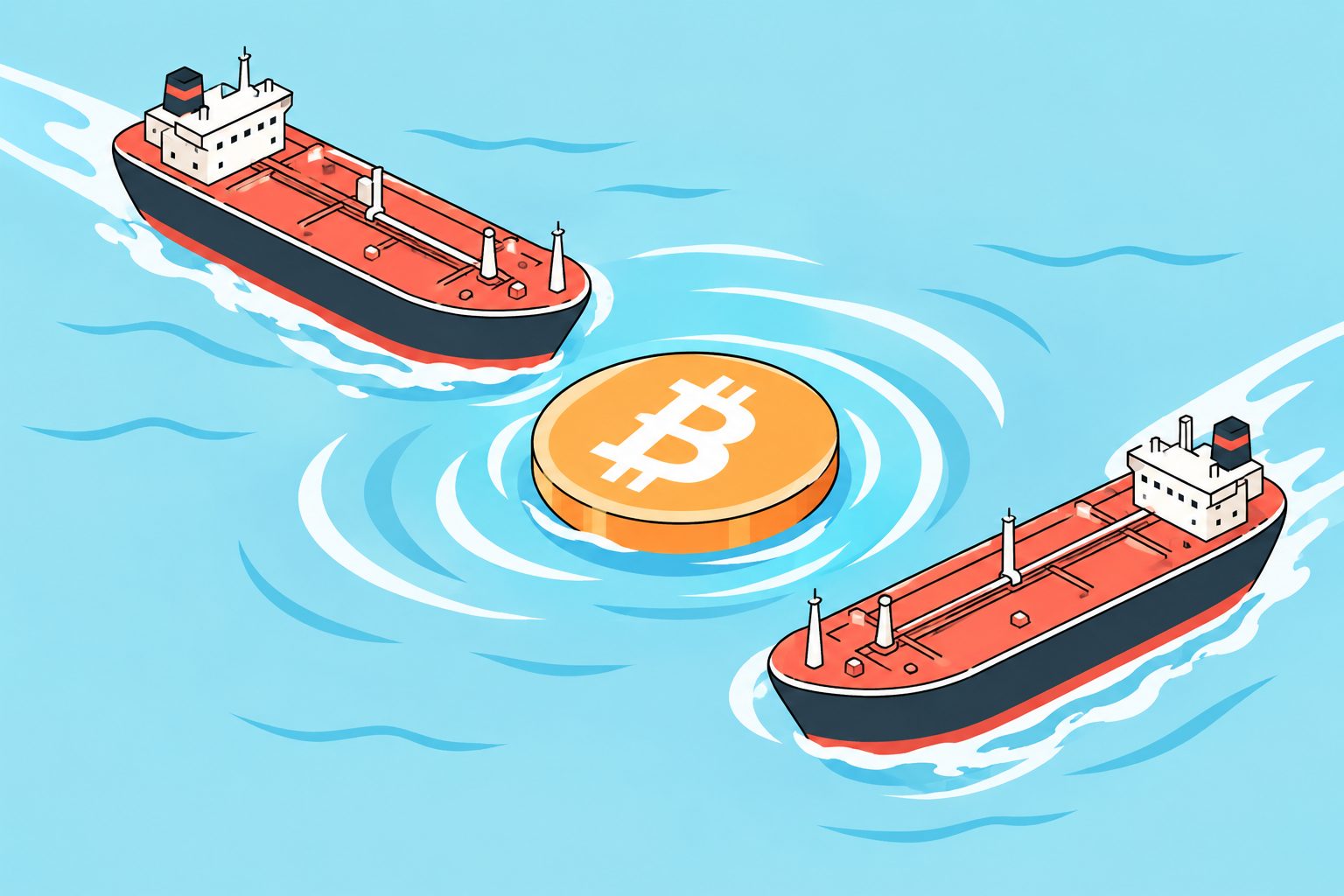
UKMTO said projectiles hit two outbound tankers near Oman on Saturday, at 5 a.m. UTC and 50 minutes later. No casualties had been reported, while environmental damage remained unconfirmed; cargo losses and delays were unknown.
The US Energy Information Administration said Brent spot was more than $30 a barrel below its October average of $124 on Nov. 18, partly because Hormuz oil flows had increased. The International Energy Agency also pointed to recovering Gulf exports as a factor easing the market.
UKMTO counted 115 outbound transits in the seven days through Nov. 18, down from 139 the previous week. The count combines vessel tracking with US-reported facilitated crossings that UKMTO could not independently verify. The tracker hormuz.now recorded five outbound commercial crossings on Saturday, Nov. 21, and three on Friday; four crossings, including two tankers, followed the second reported strike. The tracker counts commercial vessels at least 80 meters long with transponders on, and the amount of oil shipped after the strikes was unclear.
Market benchmarks preceded the strikes: front-month Brent futures settled at $92.57 a barrel on Friday, Nov. 20, up 59 cents, while the two-year Treasury yield fell to 4.63% from 4.76% on Thursday. CME FedWatch data cited by Kiplinger put the chance of a quarter-point December Fed rate increase at 96% on Friday.
Federal Reserve staff research found oil prices passed through to core inflation more strongly after the pandemic in a model using five advanced economies, including the US. A 2023 IMF working paper found US monetary tightening weighed on broad crypto prices through reduced investor risk-taking. A sustained drop in loaded outbound shipments, a Brent rebound and higher expected Fed rates into early 2027 would support the case that oil could keep borrowing costs elevated. If shipments and rate expectations hold steady, a brief price spike would offer less evidence of lasting pressure on dollar borrowing or crypto risk appetite.