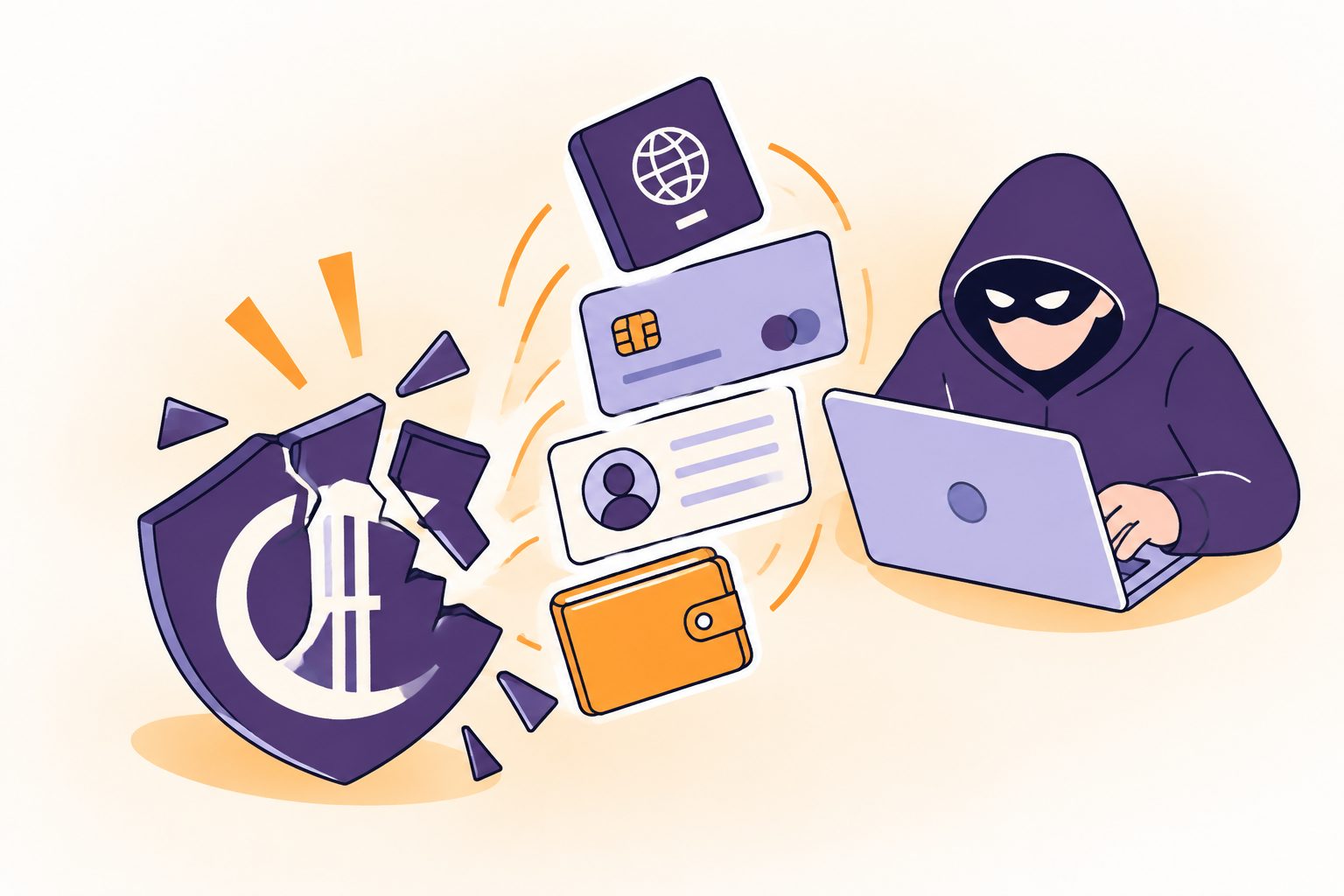
Bithumb said its probe into unauthorized access from Oct. 12 to 27 found additional affected individuals and exposed records. The exchange reported that no cryptocurrency was stolen and set up a service for customers to check whether their information was exposed.
The compromised information varied by person and included passport numbers, bank details, transaction records and crypto wallet addresses. Other exposed records included names, phone numbers, home addresses, ID copies, South Korean resident registration numbers, email addresses, birth dates, membership numbers, driver’s license details, and employment information such as job titles, employers, workplace locations and business phone numbers. Those affected included customers, partner-company employees, and current and former Bithumb staff.
The breach, first disclosed on Oct. 29, involved DaouOffice, an internal collaboration platform built by Daou Technology. Bithumb said the platform operates separately from its trading infrastructure and customer-asset systems; investigators found no indication that trading services or the customer database had been directly accessed without authorization.
Bithumb warned that the exposed details could be used for targeted phishing and impersonation. It cautioned customers about fake websites, emails and texts, and said it never asks for passwords or authentication codes by phone, text or messaging apps. Chainalysis reported a 1,400% rise in impersonation scams in 2025. A separate November breach at Gnosis Pay exposed home addresses and wallet details, with no reported fund theft.
The exchange is offering compensation for confirmed breach-related losses and provides an inquiry service, support assistance and individual email or text notices with details of exposure and identity-theft prevention guidance. It also introduced around-the-clock checks for suspicious withdrawals and unusual logins, plus extra identity checks for some important transactions. After detecting suspicious activity, Bithumb suspended DaouOffice, blocked attacker IP addresses, formed an incident-response team, addressed the vulnerability with the software developer and began inspecting publicly accessible services.