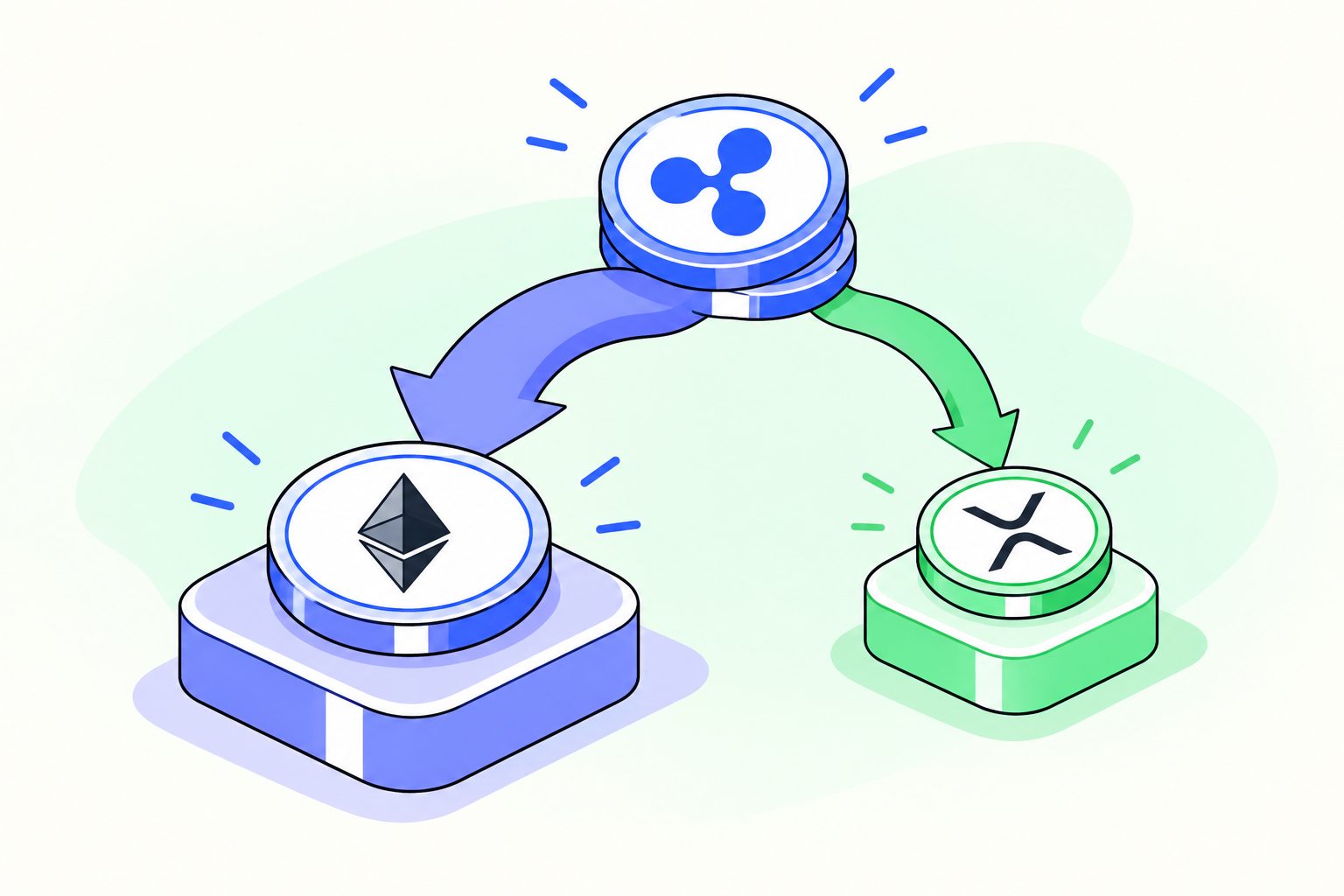

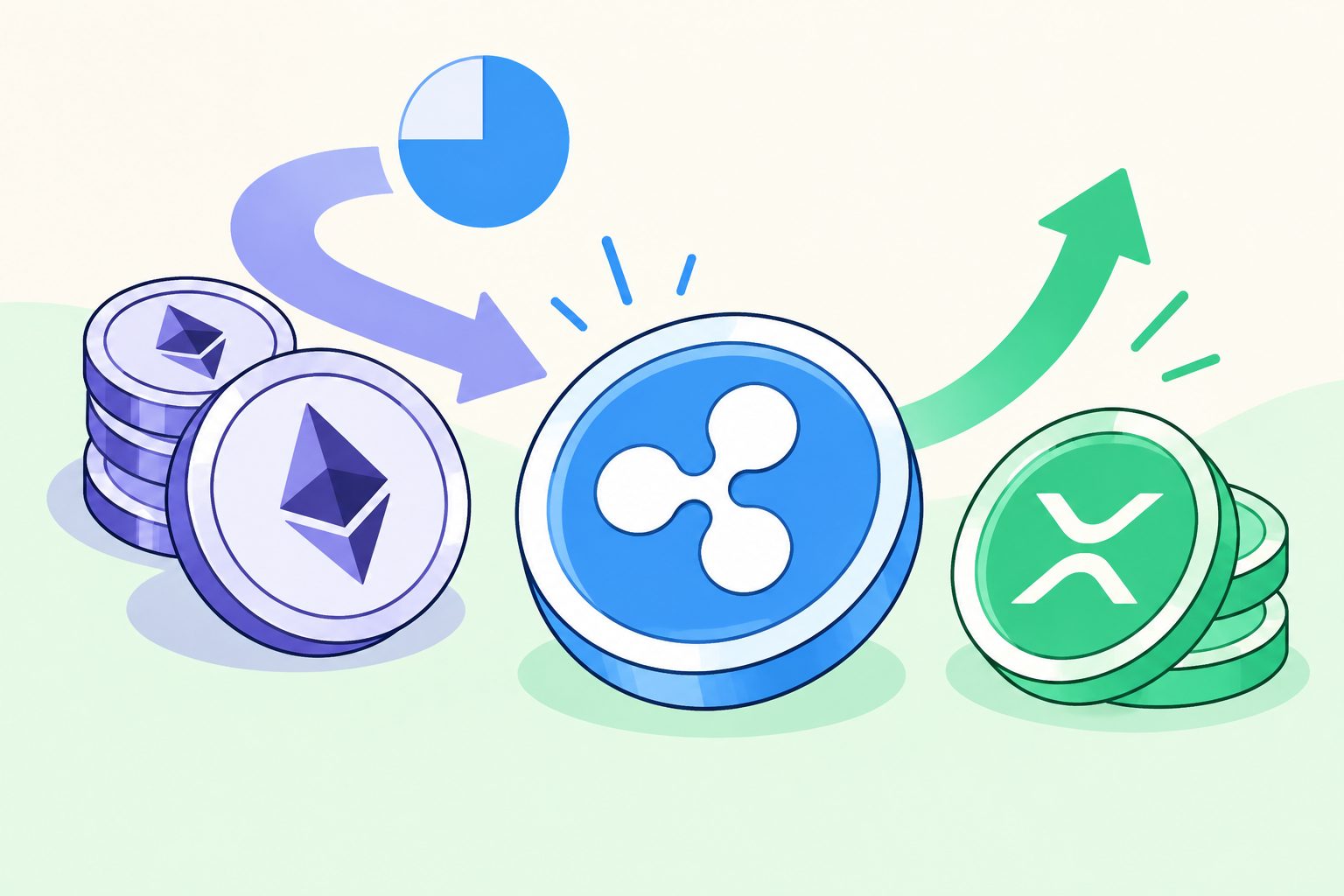
On November 27, XRP Insights data showed about $2.03 billion in RLUSD on Ethereum, compared with $728 million on the XRP Ledger. Ethereum’s share has grown as the stablecoin’s distribution has shifted across the two networks.
The balances were nearly even on October 3: Ethereum held about $1.27 billion, while the XRP Ledger had $1.24 billion. Since then, Ethereum’s supply has risen around 60%, while the XRP Ledger’s has fallen by more than 41%. RLUSD nevertheless remains the largest stablecoin on XRPL, well ahead of USDC there. Changes in supply do not necessarily indicate matching shifts in transaction activity or direct transfers between networks.
Ripple supports RLUSD on seven blockchain networks. Ethereum provides access to established DeFi protocols, institutional liquidity and smart-contract applications, but transactions there do not inherently require XRP. Evernorth data on $1.65 billion of RLUSD swaps during 2026 found that about 92% involved XRP as a trading pair on XRPL. Past contractions in RLUSD supply also did not necessarily lead to equivalent drops in XRP trading-pool liquidity.
Ripple’s multichain stablecoin business could expand without every transaction using XRP. Lending and DeFi development on XRPL could create more ways for the two assets to interact through trading, settlement and liquidity provision, but RLUSD growth alone does not guarantee greater demand for XRP.