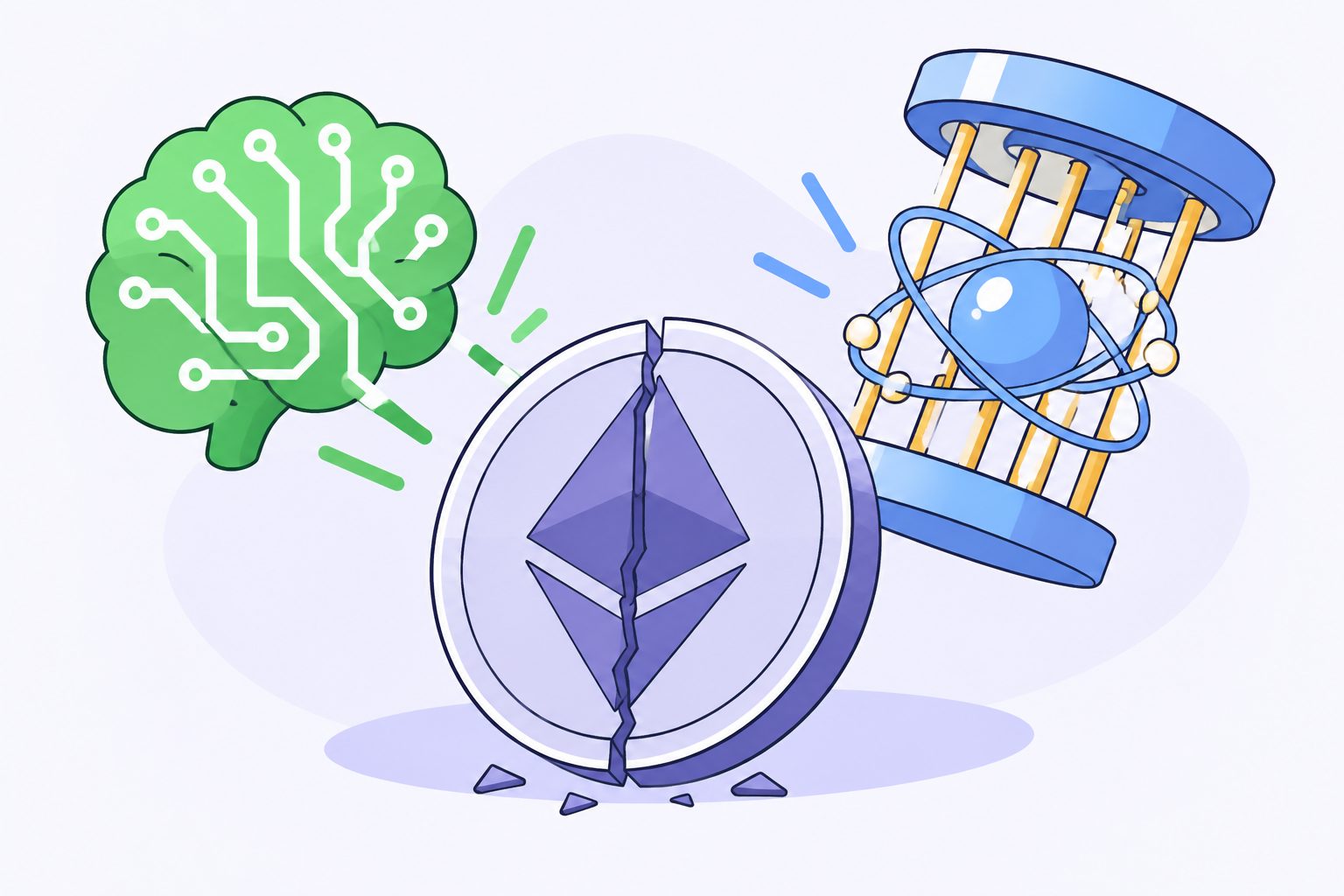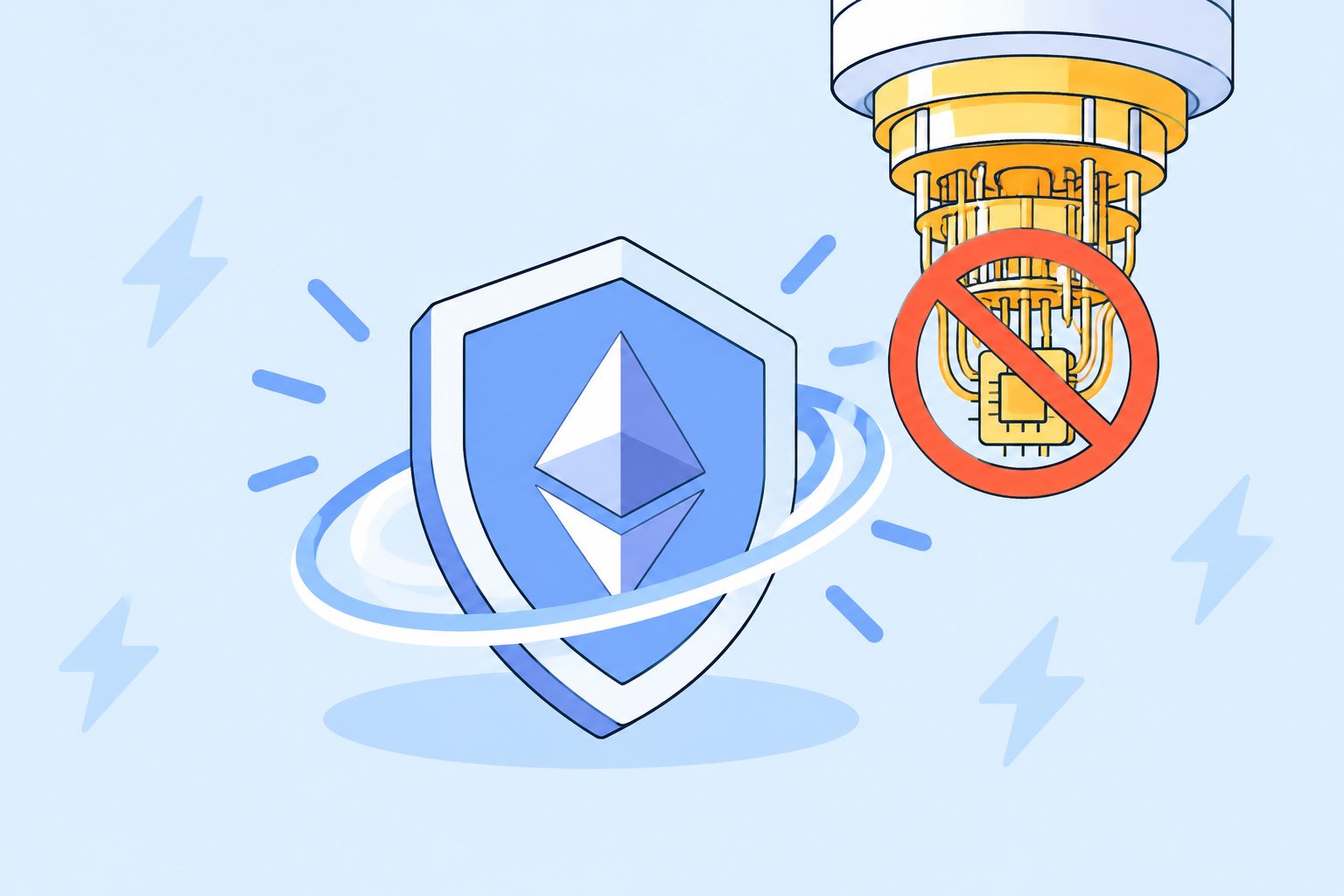
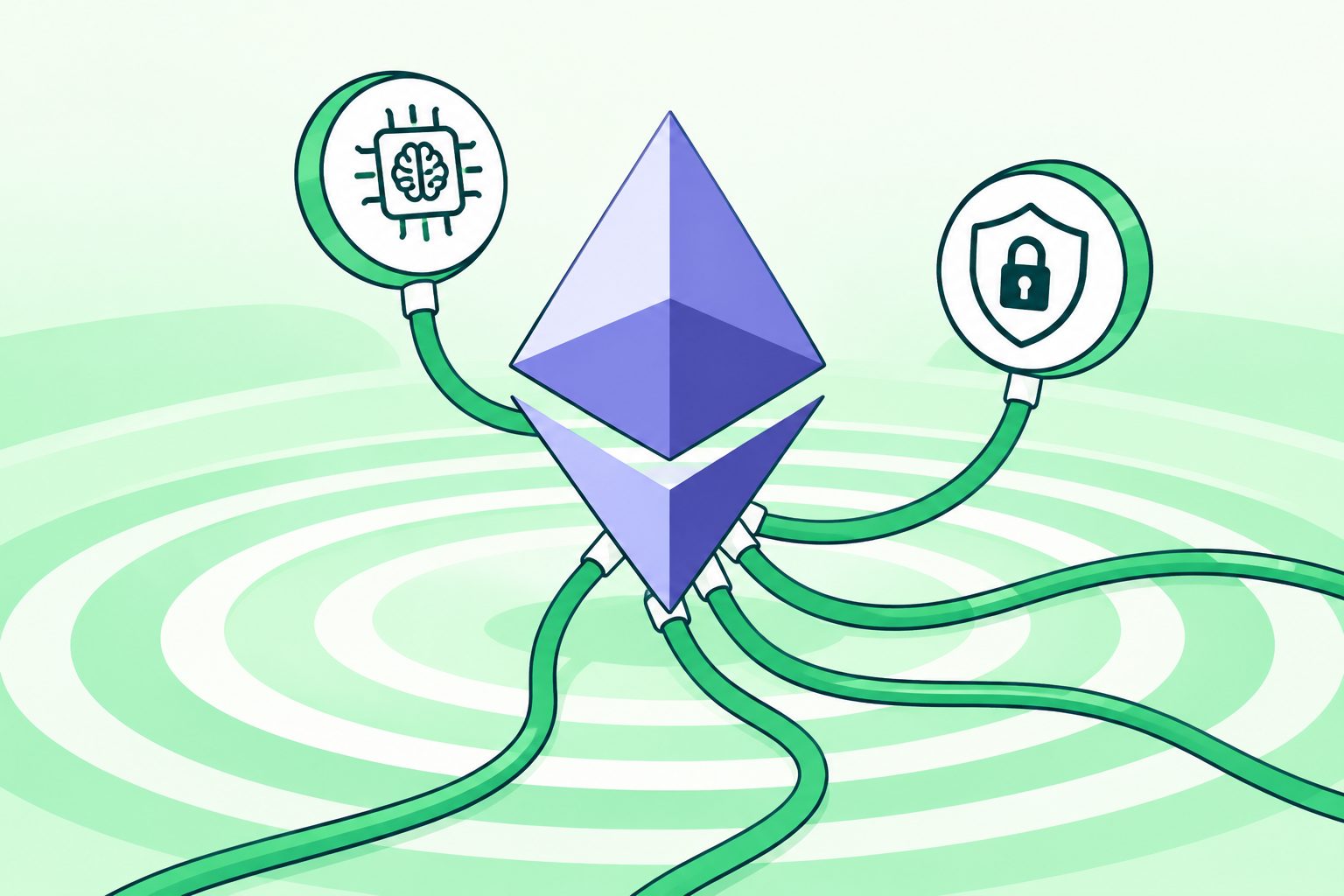
The Ethereum Foundation recommended Keccak-256 on November 24, prioritizing its security margin and established cryptanalysis over alternative hash functions. Researcher Kev Wedderburn said AI-related threats have become more urgent, as models are finding software bugs faster than people can review them.
The Foundation evaluated Poseidon, Poseidon2, BLAKE3, BLAKE2, SHA-256 and Keccak-256. It said Keccak-256 has “arguably the most extensive cryptanalysis out of all unbroken traditional hashes” and has so far avoided AI-assisted cryptanalysis. Improvements in zero-knowledge proofs have reduced Poseidon’s performance advantage, making security the main consideration.
Although SHA-256 is natively fast, the best known collision attack reaches 38 of its 64 rounds; for Keccak-256, it reaches only 5 of 24 rounds. The Foundation advised against adding SHA3-256 because it shares Keccak-256’s underlying permutation and has similar security characteristics.
Wedderburn said the Foundation had been planning for quantum-computing threats, but AI is now a “more urgent risk.” A planned upgrade will change how validators sign messages, users authorize transactions and Ethereum verifies data posted by rollups. Wedderburn said the work is harder than the 2022 Merge and has less time. To avoid rushing out bugs, the Foundation doubled its protocol security team to support formal verification and keep security work aligned with protocol development.