Flare CPO Filip Koprivec says FXRP supply has held near 145 million despite market headwinds, while about 20 million tokens—roughly 14% of supply—have moved to other blockchains, mainly Ethereum. Users there can post FXRP as collateral to borrow Ripple’s RLUSD. Flare plans to launch a Layerzero DVN on mainnet in December 2026.
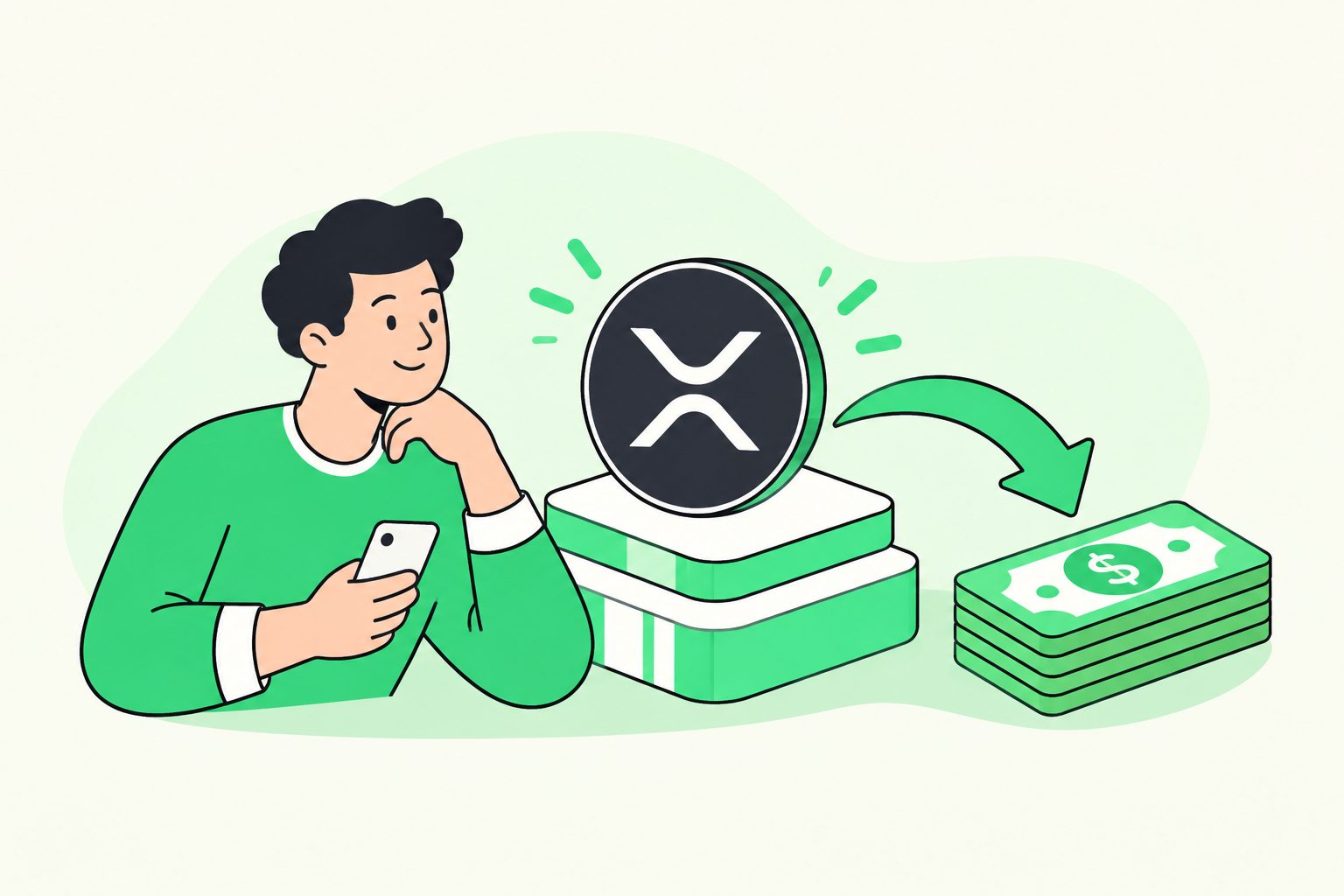
Koprivec said the first FXRP minting cap filled in about four hours amid incentives, while activity later settled after spikes around Flare Smart Account vault launches. “The first FXRP minting cap filled in about four hours, helped by DeFi incentives,” he said. “Incentives are still part of the picture, but we can separate launch-day spikes from the underlying usage.” He added: “Borrowing dollars without selling XRP is a practical use case.”
Firelight, which holds roughly one-third of FXRP, is due to shift toward revenue-backed yield and make its first payouts in early December. Flare will track how much liquidity remains as token incentives give way to protocol revenue.
Flare Smart Accounts let XRP Ledger users mint FXRP and deposit it into yield vaults from native wallets such as Xaman, without setting up an EVM wallet. Koprivec said more than 1,100 XRP holders used the integration in its first month. The FAssets minting process is hidden from users, and a coming Xaman update is expected to enable single-signature transactions. “That suggests simpler onboarding helps, and distribution matters too,” he said. Flare is also working on more wallet integrations, FXRP vaults and access for XRP holders on centralized exchanges.
In October 2026, the XRP Ledger Foundation added Flare to its recommended validator list. Koprivec said Flare’s oracle data comes from independent providers, not its validator operations; running a validator gives its engineers visibility into XRPL consensus health, amendments and governance.
Flare’s planned DVN will use its Flare Data Connector, which verifies the XRP payments behind FXRP, to check Layerzero messages. Independent providers verify source-chain transactions, reach stake-weighted consensus and sign a state root; the DVN checks message proofs against it before voting. “It’s one verification system serving two uses,” Koprivec said. “The distinction is that verification depends on agreement across that network rather than a single operator.” Multiple operators can relay consensus roots and cover destination-chain gas costs, with fees adjusted using Layerzero’s onchain price feed. Congestion may delay delivery, but anyone can submit a valid proof through another route; approval still requires stake-weighted consensus. Koprivec said: “What began with XRPFi now reaches beyond Flare: the same data infrastructure will verify cross-chain messages through a Layerzero DVN,” and, “One data stack, making more markets possible.”