
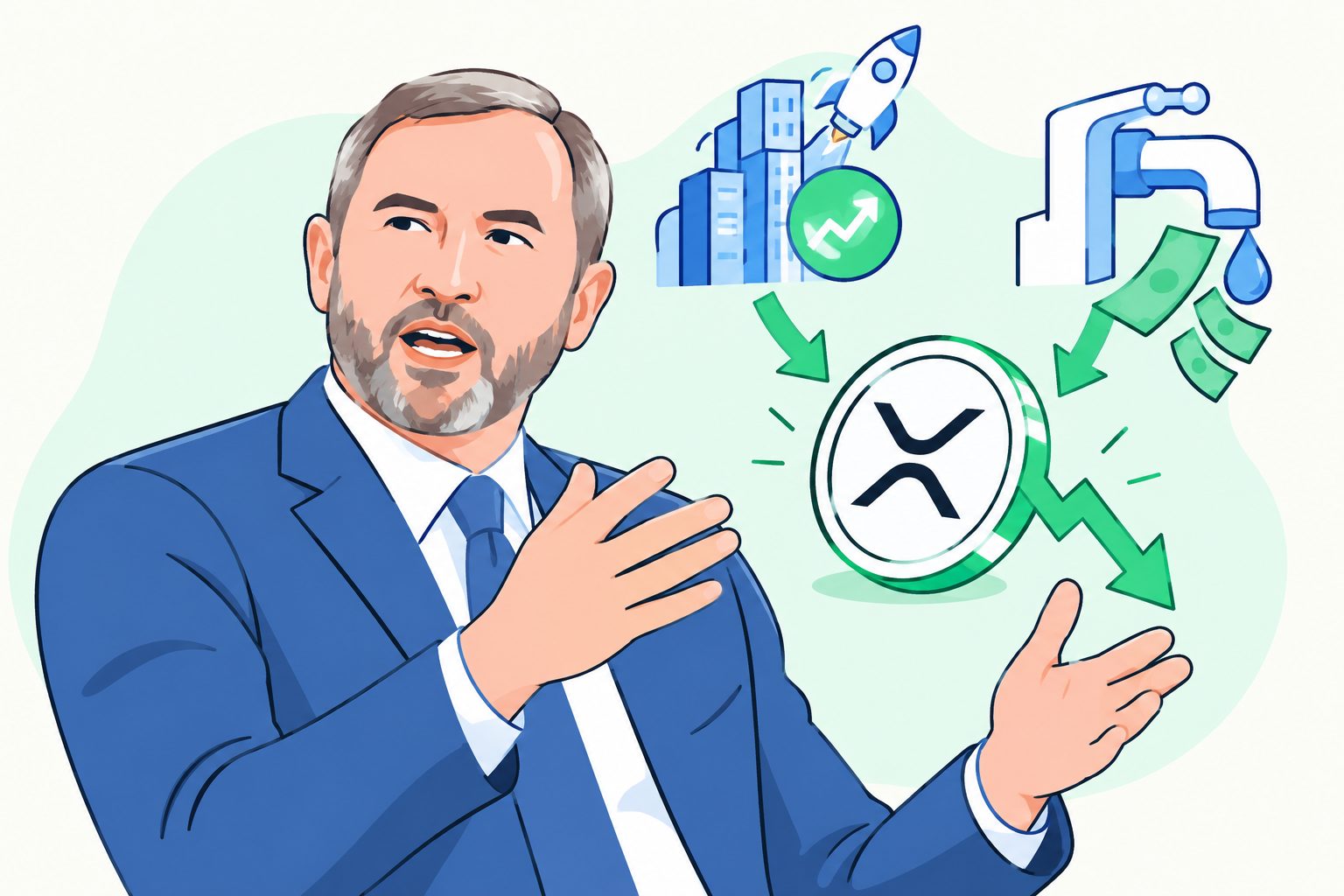
At the Singapore FinTech Festival on November 19, Garlinghouse linked XRP’s weak performance partly to reduced crypto-market liquidity and investor interest in SpaceX and Anthropic share offerings. He said investors may sell crypto holdings to free up money for equity investments, but gave no figures showing funds moved from XRP or other digital assets into either company.
Ripple’s growth in payments, custody, treasury management and stablecoins has not translated into comparable XRP demand. The company received US national trust bank approval in October, but XRP holders have no direct claim to Ripple’s earnings.
Garlinghouse has said XRP and Ripple’s RLUSD stablecoin serve different purposes. Ripple describes XRP as a bridge asset for cross-border transactions, while its broader infrastructure supports multiple digital assets.
He expects crypto assets to become more differentiated by their practical uses and demand. For XRP, institutional settlement activity, trading liquidity and adoption of the XRP Ledger could support longer-term performance. Greater RLUSD liquidity on the ledger may also create more opportunities for trading and institutional applications, though utility alone may not prompt an immediate recovery amid macroeconomic uncertainty and weaker risk appetite.