
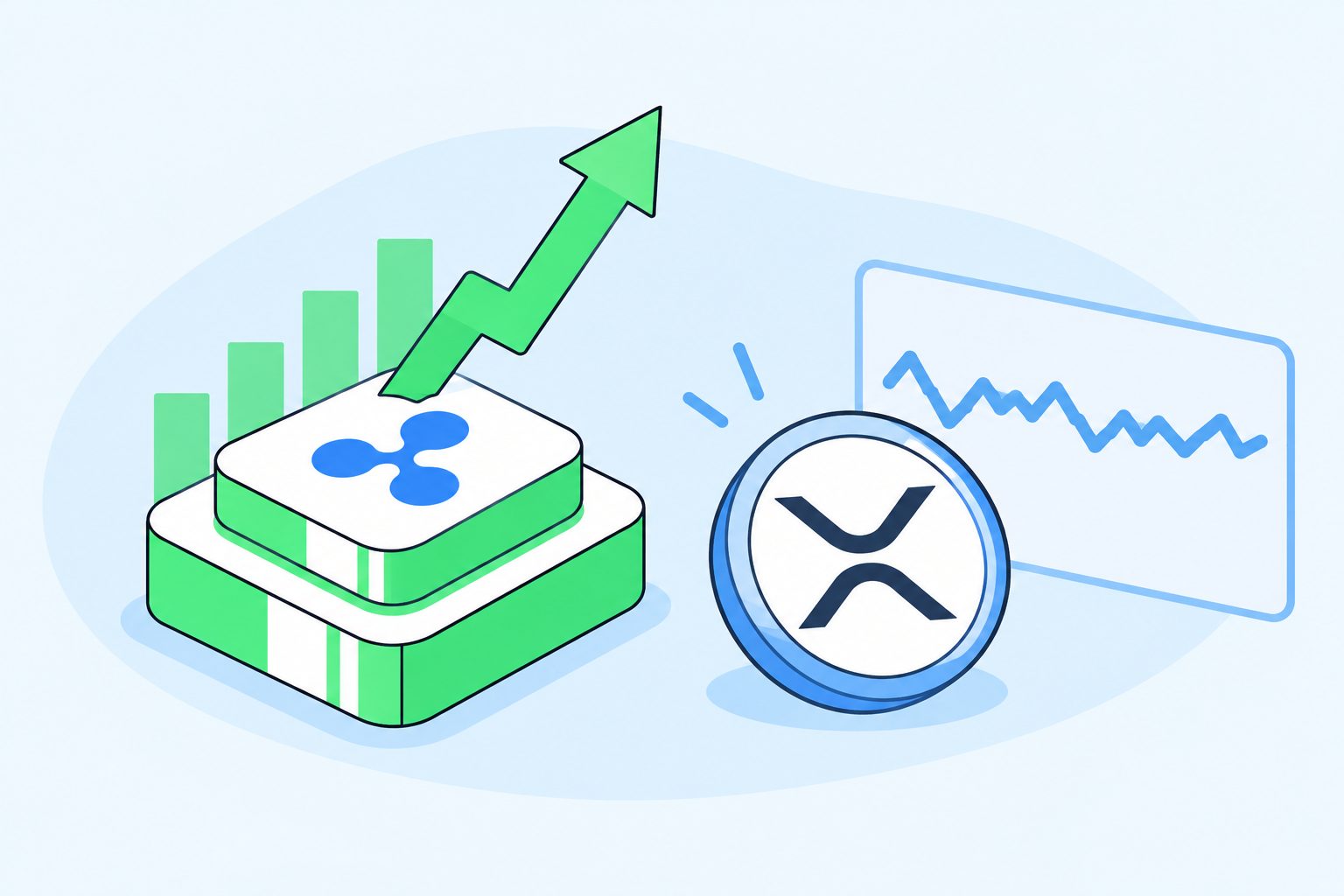
Garlinghouse said Ripple had a strong business year despite the crypto downturn, while noting that investor demand and competing opportunities can pull capital away from digital assets. He pointed to SpaceX’s anticipated listing and Anthropic’s stock debut, but provided no figures confirming direct flows from XRP into either investment.
Ripple is expanding beyond cross-border payments into institutional brokerage, stablecoins, custody and corporate treasury services. That growth does not automatically increase XRP’s value: Ripple is privately held, and owning XRP offers no stake in the company or direct claim to its revenue.
“Ripple has had a phenomenal year despite the fact that the market around crypto has come way down,” Garlinghouse said. He argued blockchain could make financial transactions faster and cheaper across areas including insurance, payments and tokenized traditional assets. Ripple may also use stablecoins or traditional payment systems, so not all of its services require XRP.
Garlinghouse said AI tools are already generating demand for Ripple’s treasury products by helping companies track liquidity across markets, identify currency shortages and prepare for obligations such as payroll. “Adding intelligence and using AI agents to make your job easier is something we are doing today and it has driven a ton of demand around our corporate treasury solution,” he said.
He expects crypto performance to increasingly reflect the practical applications and adoption of individual assets. Comparing AI enthusiasm with the early internet era, he cautioned: “Some days that hype gets ahead of reality,” adding that expectations and results eventually reach equilibrium. Whether Ripple’s institutional adoption and business expansion generate stronger demand for XRP remains an open question.