

The SEC’s proposal would let an adviser self-custody covered client crypto only after determining that no qualified custodian will maintain it. The agency is also seeking comment on whether native staking and lending arrangements can meet custody requirements; comments are due Dec. 7.
An adviser would need a written, asset-by-asset determination, revisit it at least quarterly and transfer the asset to a qualified custodian as soon as reasonably practicable if one becomes available. Self-custody would require expertise, safeguarding and cybersecurity controls, an annual written review, and an independent accountant’s report within six months of taking custody and annually afterward. For certain funds relying on their adviser, the board—including a majority of disinterested directors—would review the custody finding before the arrangement and quarterly thereafter, and assess reasonable care upfront and annually.
The SEC asks in Question 38 whether self-custody should also be allowed when available custodians cannot support a client’s best-interest strategy, such as limited staking or trading. Question 171 asks whether native staking preserves custody when ownership and control remain with the client. The SEC’s March 2026 interpretation classifies Ether as a digital commodity and supersedes a May 2025 staff statement; with Ethereum execution-layer withdrawal credentials, the controller of the registered withdrawal address can trigger a validator exit, after which the network sends the remaining ETH there. Coinbase Prime’s guide says vault-wallet staking requires approvals and completion of the network’s unbonding period before withdrawal.
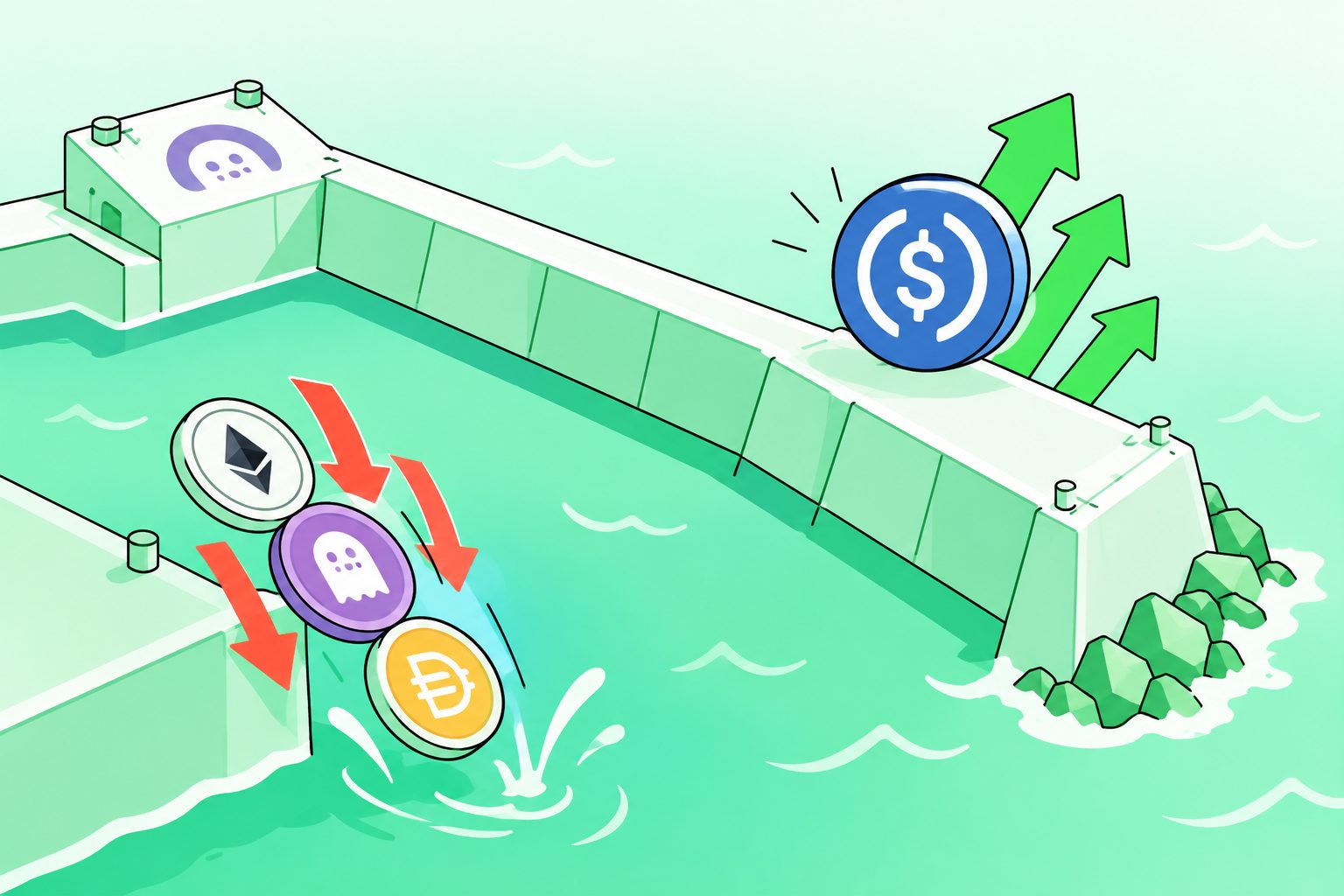
Question 174 asks whether custody can be satisfied when a permitted custodian or qualifying self-custody adviser exclusively controls a lending receipt wallet, provided redemption restrictions are absent or limited and enforced by code. It also asks about liquidity and insurance. In Aave V3, supplying an asset mints an aToken representing the position; withdrawing burns it and returns the underlying, subject to available unborrowed pool liquidity.
In a Nov. 24 submission, token-verification company Unveil recommended dated records of smart-contract risks, including price sources, liquidation terms, administrator roles and concentration. Unveil disclosed a commercial interest tied to its token-verification business.