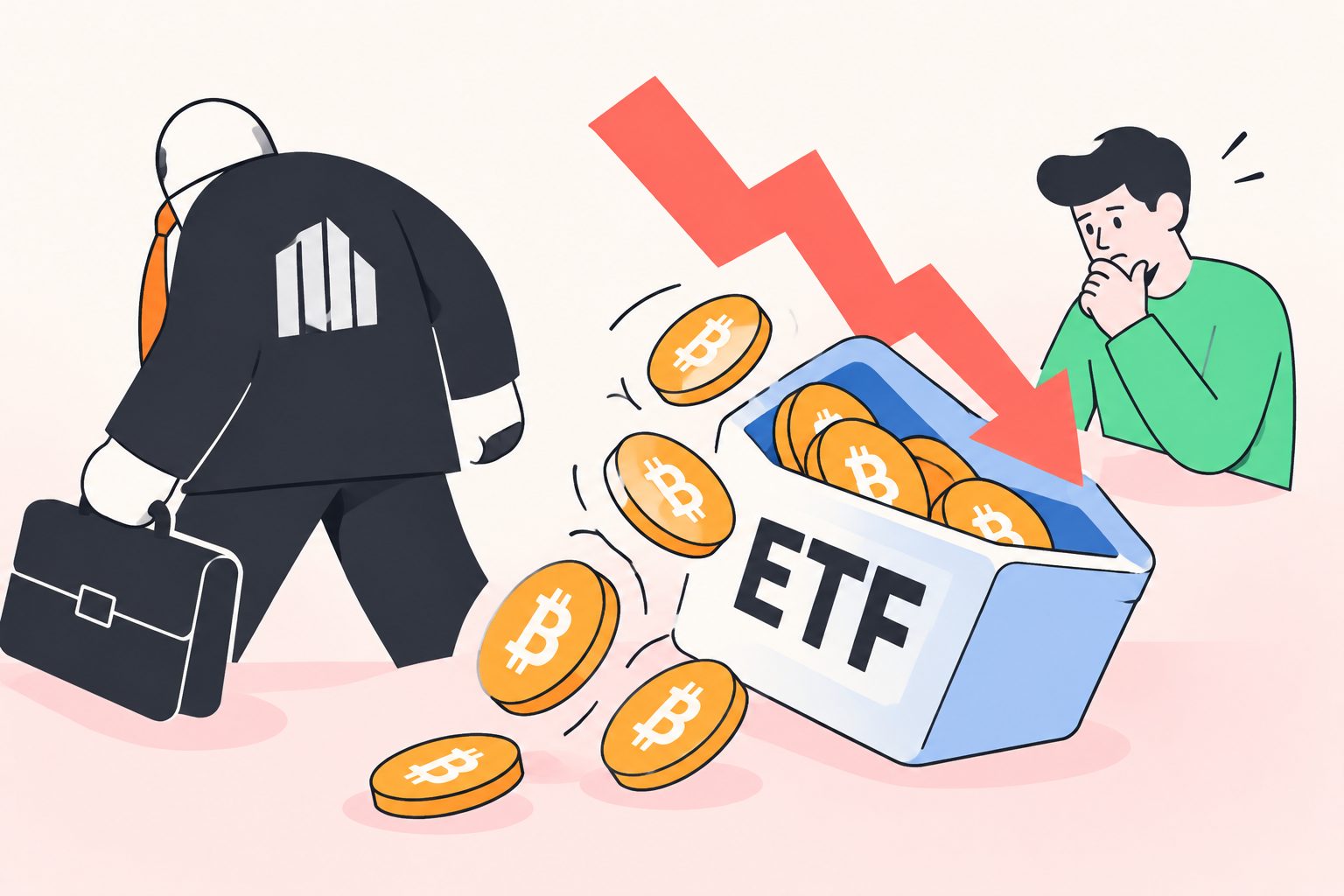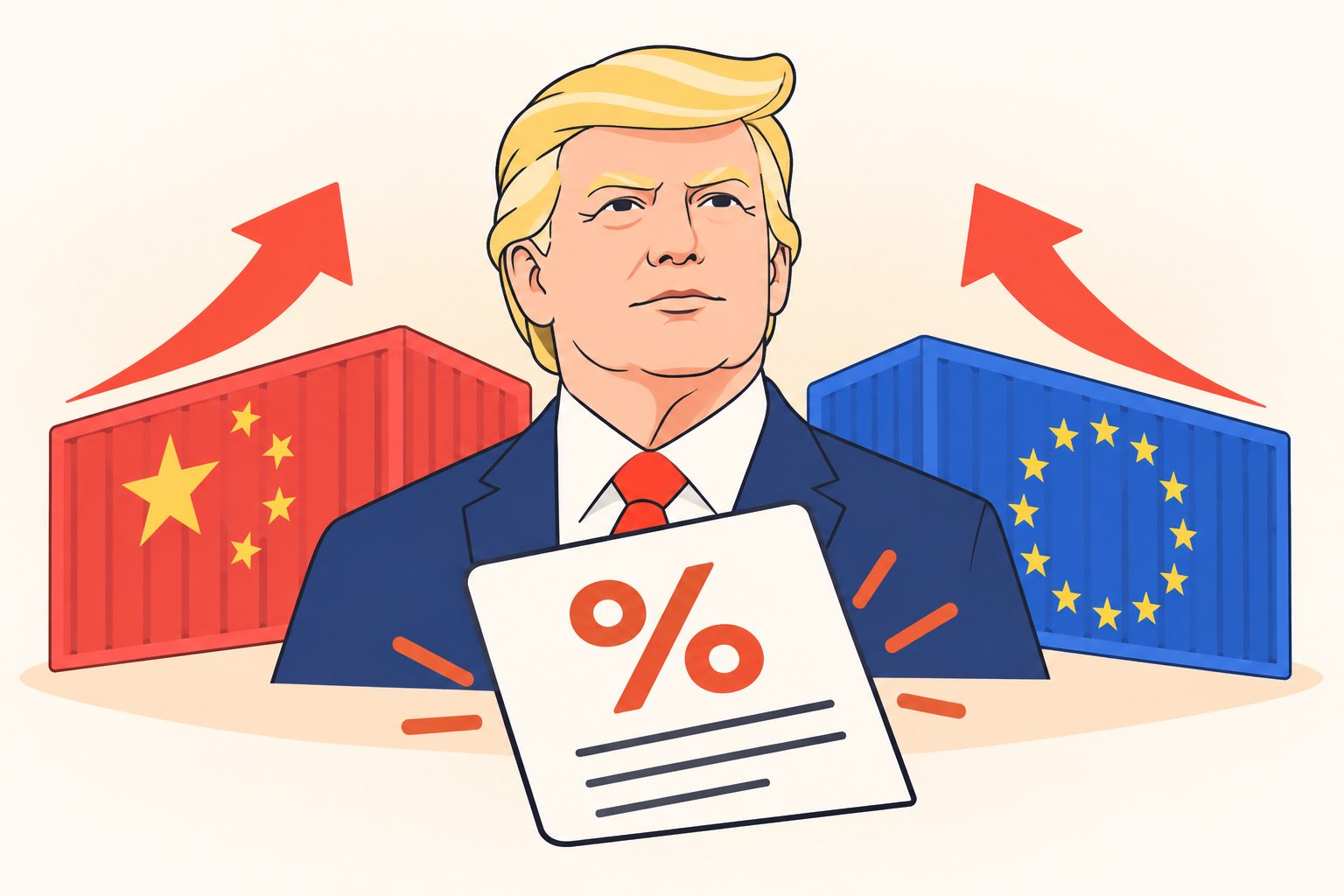
The Trump administration is preparing new tariffs on imports from China, the EU and more than a dozen other economies, with China expected to face the steepest rates, The Wall Street Journal reported. Bitcoin fell 3.9% to about $60,400, while S&P 500 futures dropped more than 1%.
The tariffs could follow a US investigation launched in March by Trade Representative Jamieson Greer. It examined 16 economies over alleged government subsidies for domestic manufacturers and possible overproduction. The tariffs could cover most imports from China, Japan, South Korea and the EU, while goods already subject to duties, including steel, aluminum and cars, would likely be excluded. Greer’s office and the White House did not respond to the Journal’s requests for comment.
The plan follows a February 2026 Supreme Court ruling that struck down Trump’s earlier emergency tariffs. Officials are seeking rates close to those imposed in 2025. Existing US trade agreements could cap rates for the EU, Japan and South Korea at about 15%; they currently face tariffs of 10% to 12.5%. China may face higher duties: Bloomberg reported in August that an additional 7.5% could raise its rate from 12.5% to 20%, with further increases possible if overproduction continues. Rates for Vietnam and India could depend on their trade agreements. Separate tariffs of 10% to 12.5% imposed on 60 economies over forced-labor concerns in July remain under legal challenge and could be added.
The timing and final rates remain uncertain. Polymarket traders put the chance of China’s total tariff rate staying between 5% and 15% through December 31 at 77%, based on about $17,000 traded; only duties in effect by then count. A delay similar to the roughly seven weeks between the announcement and start of July’s forced-labor tariffs could push the new duties to mid-January. Trump met Chinese President Xi Jinping in Shenzhen this month, and the countries’ trade truce runs until January 10. Former Chinese UN official Zhou Xiaoming wrote that the two sides may have an informal understanding to keep new tariffs at 20% or less, warning that higher rates could prompt Chinese retaliation and hurt US businesses and consumers.
The Journal suggested the announcement could divert attention from allegations of Nvidia chip smuggling, which have drawn questions from lawmakers in both parties. Trump called Nvidia’s board on Monday to press for Jensen Huang’s return as CEO. The story also comes after Republicans lost control of Congress about three weeks earlier; an Associated Press survey found roughly two-thirds of midterm voters believed Trump’s tariffs had harmed the economy. “Tariffs have made everything too expensive,” Texas Republican Senator Ted Cruz wrote after the election. Greer told CNBC on November 11 that tariffs had not reduced either the roughly $1 trillion US trade deficit or China’s roughly $1 trillion trade surplus.