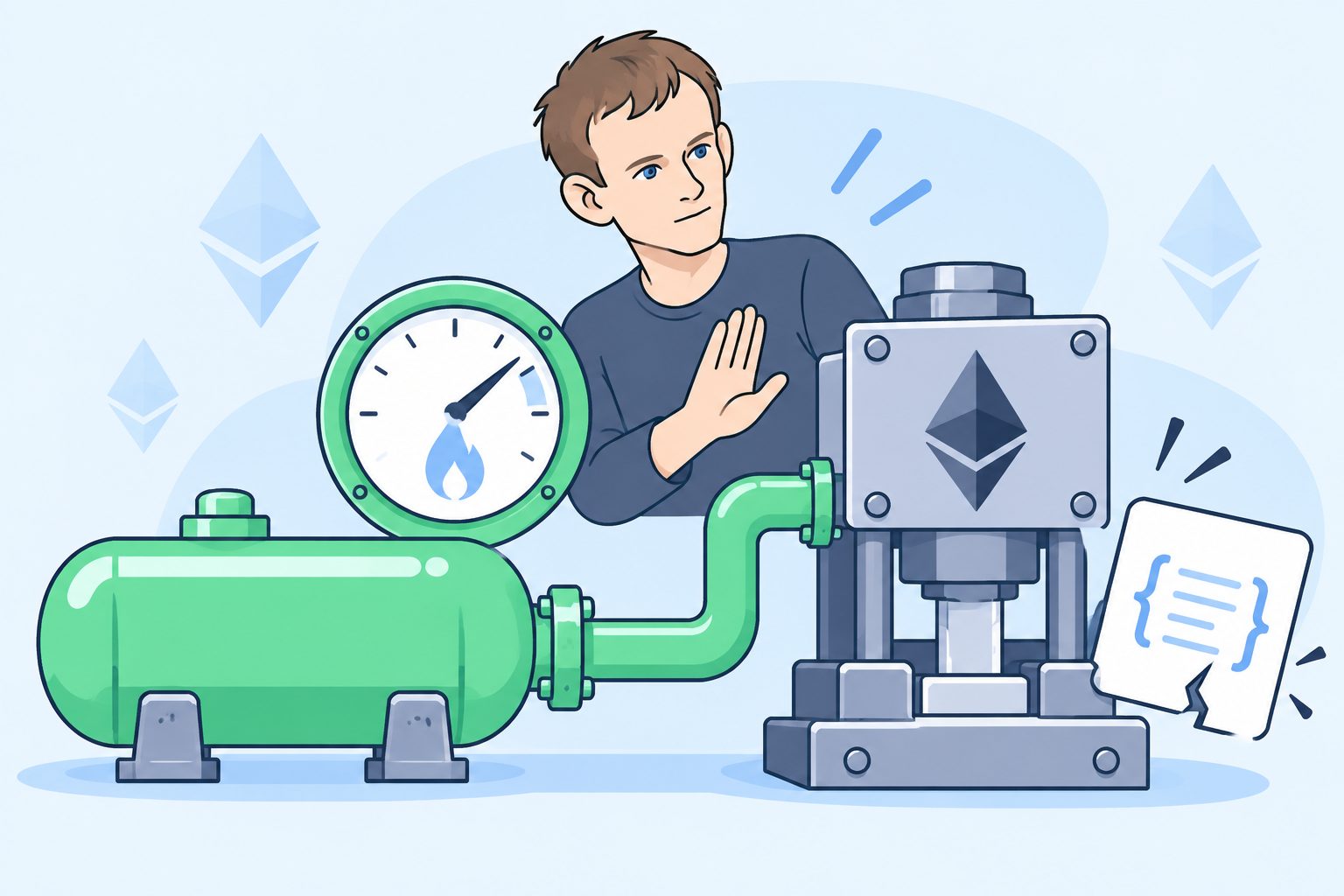
Ethereum developers plan to activate Glamsterdam on the Hoodi testnet on Dec. 15 at 19:12 UTC, keeping its current gas-pricing rules. The upgrade’s EIP-8037 could make some existing contracts run out of gas, prompting Vitalik Buterin to warn against rushing the rollout.
Buterin said complaints about contract compatibility were valid and urged core developers, the Ethereum Foundation and other ecosystem groups to help affected projects. “We do NOT want an Ethereum where it becomes ‘prudent security advice' to have centralized upgrade hatches ‘just in case'.” He added: “Given its breaking nature, Glamsterdam should not be rushed.”
The Oct. 26 Hoodi test was postponed over compatibility concerns. At a Nov. 26 meeting, execution-layer teams chose not to block the specifications despite reservations; consensus-layer developers also agreed on a method to validate block builders’ execution payloads. Client teams were aiming to release software during the week of Nov. 30.
Glamsterdam would change how Ethereum builds and validates blocks, enabling groundwork for parallel transaction processing and a 200 million block gas limit, up from 60 million. Growthepie estimates that could lift layer-1 throughput from 24.9 transactions per second to about 80 in early 2027. A higher gas limit could also grow Ethereum’s permanent database and raise hardware demands for node operators.
EIP-8037 raises gas costs for creating accounts, storage entries and contract code; related proposal EIP-8038 changes the cost of accessing existing network state. A ChainSecurity assessment dated Nov. 18 documented 200 compatibility findings, three rated high severity. Affected systems include bridges, wallets, exchanges, staking protocols and governance mechanisms, with risks including service interruptions, locked funds and incorrect reward calculations. Configuration changes can resolve most issues, but 24 require contract upgrades or migrations.
Ethlabs recommended on Nov. 25 keeping the specifications, arguing that removing EIP-8037 would forfeit the planned threefold gas-limit increase; changing it would fix only some compatibility problems and add months of development. The Ethereum Foundation and research partners have contacted more than 50 affected companies. Ethereum Institutional said the most affected projects had fixed issues or expected to do so by mid-December, while others targeted Jan. 10. Mid-January 2027 is the earliest mainnet window under discussion, with late January or early February considered more realistic; no activation date has been set.