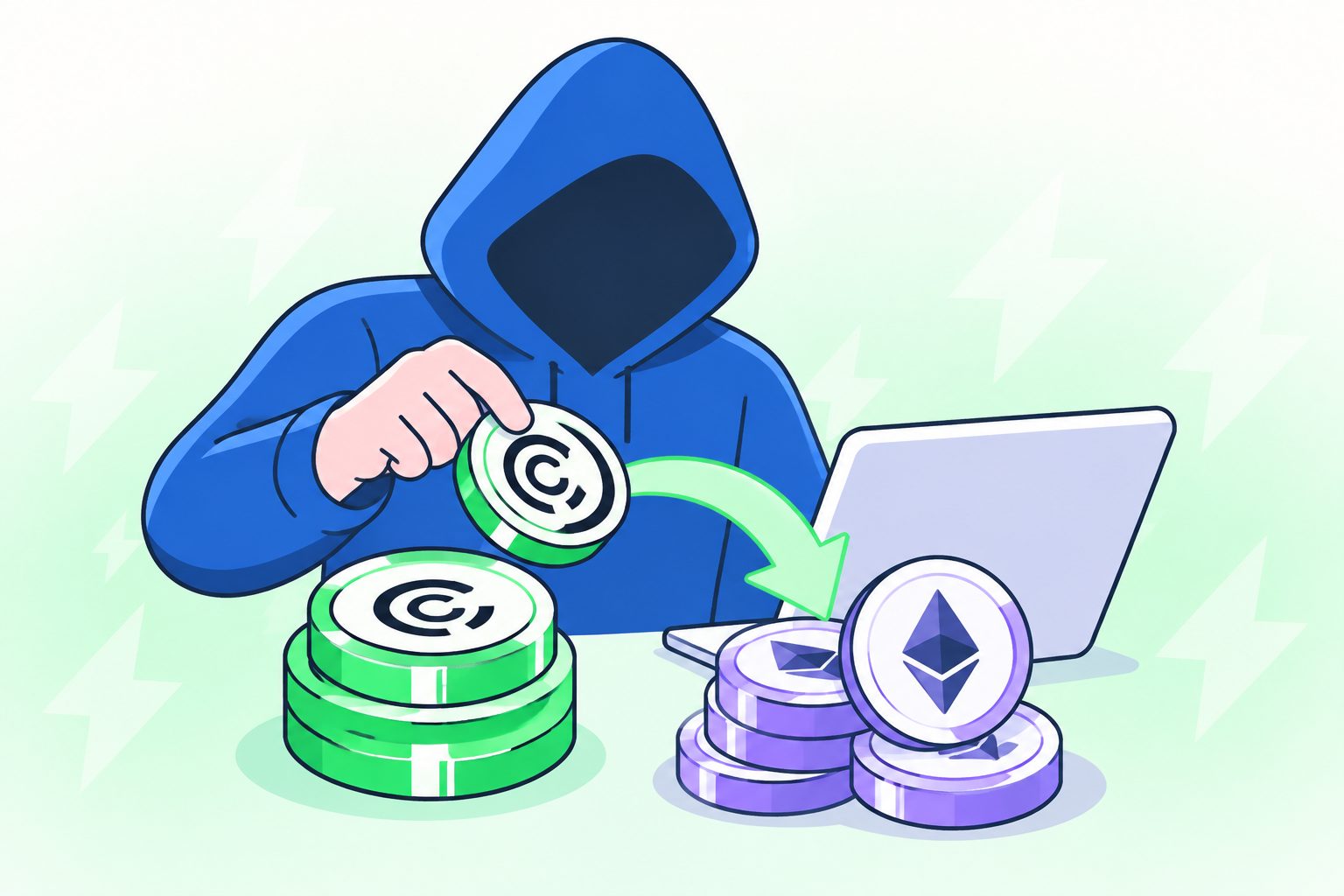
Bitquery traced 5.2 million XMR1 sent from Wagyu’s deployer to a seller in three transfers early on Nov. 20. By 13:00 UTC, the wallet had sold 369,623 tokens to 420 accounts, generating $13.51 million in gross proceeds.
The first large sales began at 04:49 UTC, with smaller sales continuing as late as 10:28 UTC. About three-quarters of the proceeds came from buy orders already on Hyperliquid’s order book; the largest buyer paid roughly $4 million. Buyers’ eventual losses depend on what they can recover.
Bitquery found that the account that sent XMR1 to the seller had also deployed Wagyu’s Zcash-linked token, ZEC1. At 13:16 UTC on Nov. 20, it held 99.97% of ZEC1’s supply. A Nov. 21 balance check put its holdings at about 20.99 million wrapped ZEC1, according to The Industry Spread. That balance does not establish native Zcash reserves, a transfer to a seller or whether holders can redeem the tokens.
Wagyu’s documentation says users can deposit native Monero or Zcash to receive XMR1 or ZEC1 on Hyperliquid, then send the wrapped tokens through the bridge to receive the corresponding native coin. On Nov. 21, Wagyu’s homepage and bridge page showed a temporary outage notice, while the bridge widget was still checking availability, leaving redemptions uncertain.
Wagyu operator PerpetualCow said on Nov. 20 that the XMR1 deployer key had been kept on an old server at a hosting provider that was breached. He said he would personally reimburse people who lost money and relaunch Wagyu, but gave no timeline. Bitquery found no incoming transfers from other Hyperliquid accounts to the ten largest buyers between 06:00 and 13:16 UTC that day. Completed reimbursements had not been verified.