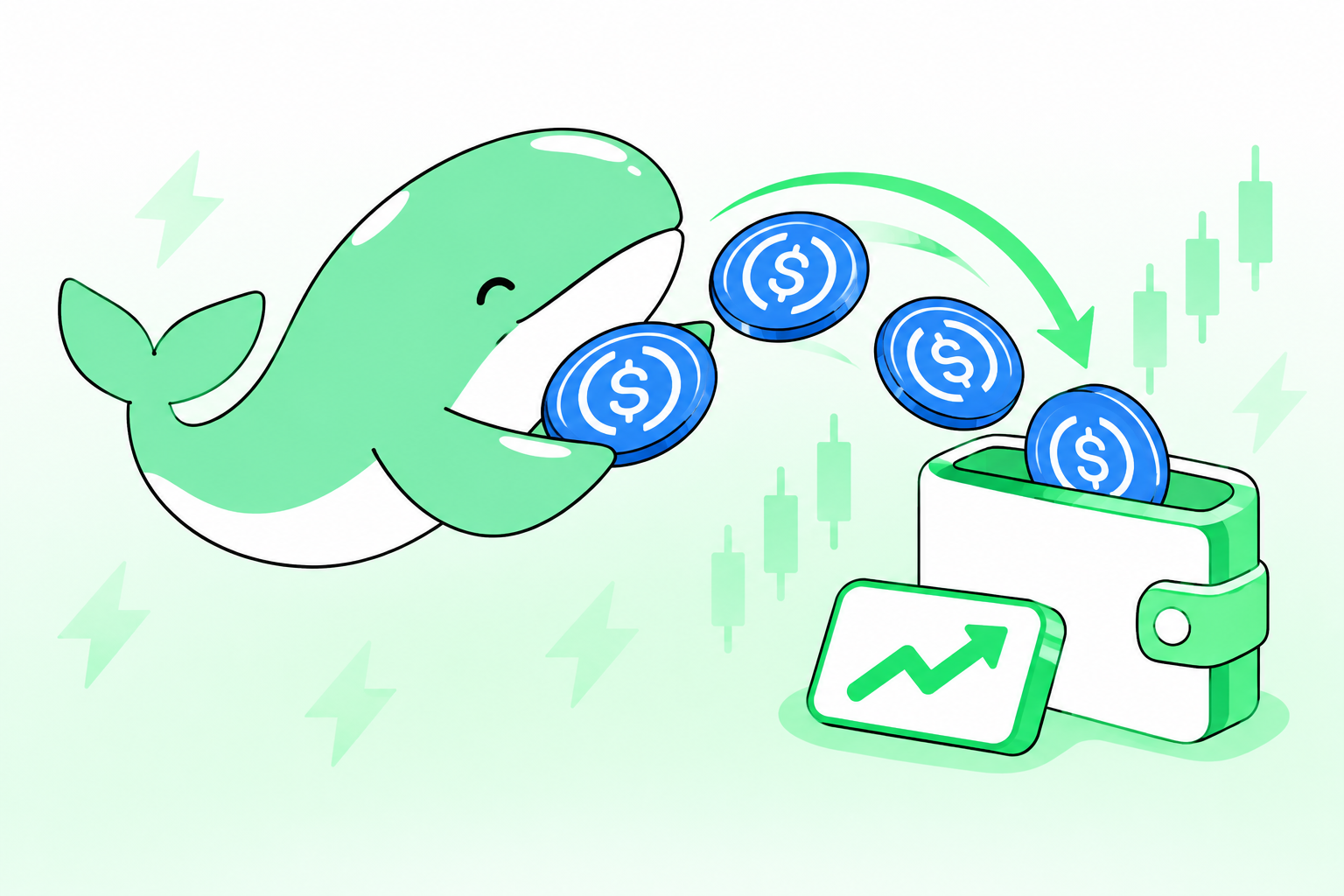
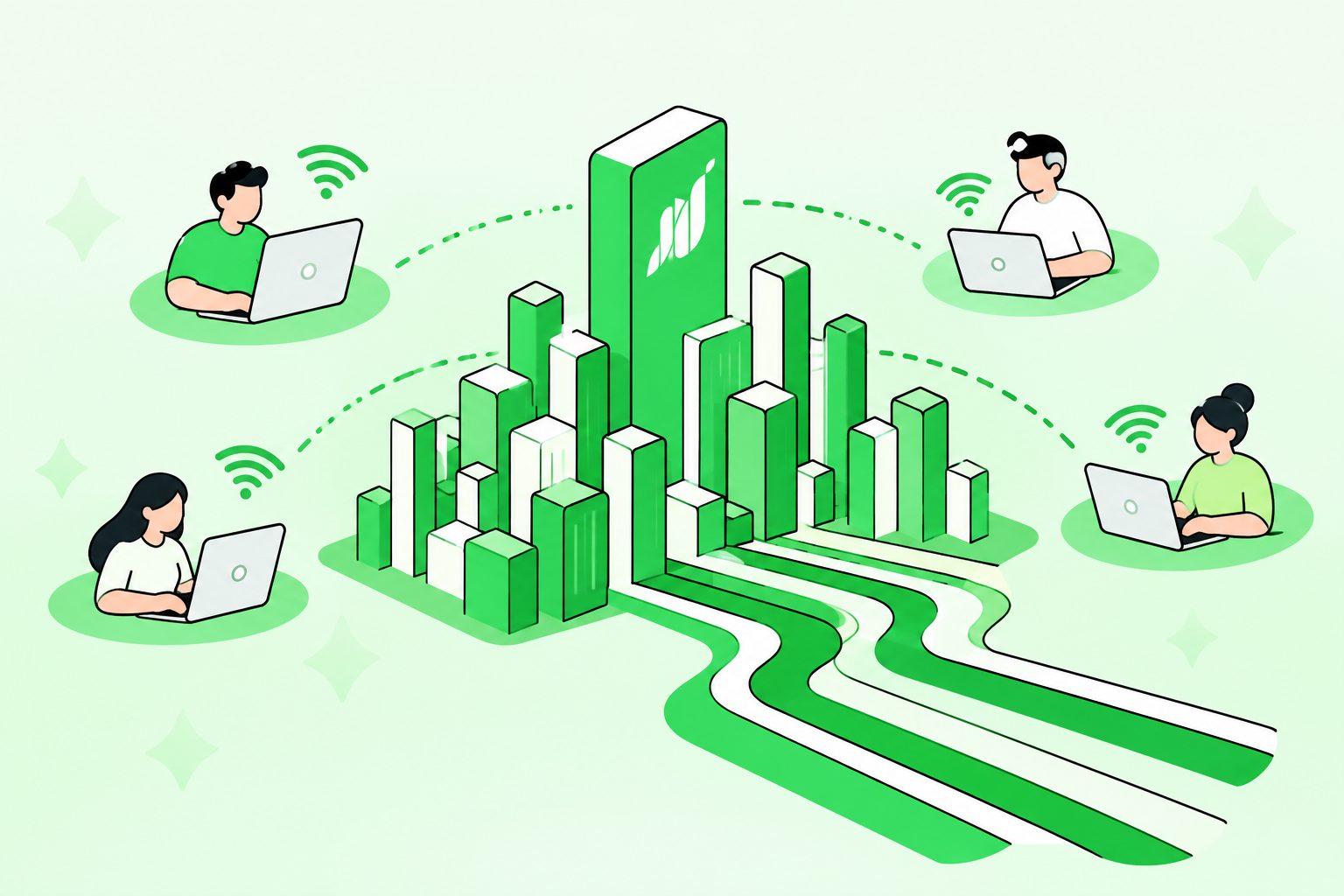
Grass uses spare home-internet bandwidth to fetch public web pages for AI companies. Its Stage 2 rewards cover 14 October 2024 to 8 June 2026 and are paid in USDC, not newly issued GRASS. Eligible users with Network Points can claim through Grass’s dashboard by 22 January 2027, or earlier if all claims are made. Grass says 150,000 users carried about 90% of Stage 2 traffic.
Grass reported $17M in first-half 2026 revenue and forecast $65M–$75M for the year. A September review by Regen Financial traced $14.53M in revenue booked for January–June, including $11.35M received in cash; the reviewed total is $2.47M below Grass’s figure, and neither side explained the gap. Regen called its work “a due diligence engagement, not an audit”. Grass also reported $17M in 2025 revenue, while Regen traced $17.59M booked from 14 March to year-end. The company says costs are about $2M–$3M monthly and that it is profitable; Blockworks Research put its first-half net margin at about 20%, citing Grass’s disclosure.
AI companies buy Grass’s web datasets, but the customers are unnamed. Grass said nearly every AI customer had made repeat purchases. Its Contents API, launched on 8 October 2026, offers live web retrieval for AI agents; Wynd Labs CEO Andrej Radonjic said it handled more than 4M external requests a day in mid-October, without disclosing revenue. Grass says it has 8.5M users. Its app relays encrypted requests to public websites and returns encrypted responses; Grass decides routing, customers and payouts. The company cited “navigating ongoing regulatory uncertainty” as the reason Stage 2 switched to USDC.
Stage 2 allocations weigh network bandwidth most heavily. Grass created a daily pool of 1M Network Points, with a base value of $0.0049 per point; desktop points receive a 5x bonus and Android points a 10x bonus over Chrome-extension points. Grass’s later explainers put total payouts at $3M for 6.29M users. Airdrop One distributed 100M GRASS, or 10% of supply, to eligible users and other groups, with claims reaching more than 2M wallets. Stage 2 claims use a non-custodial dashboard wallet; each in-app transaction costs a $0.15 provider fee plus Solana network fees. Grass says it will not contact users first or ask for private keys or seed phrases. Fake claim pages and wallet-draining approvals pose risks.
GRASS has a maximum supply of 1B tokens. Allocation includes 25.2% for early investors, 22% for contributors, 22.8% for the foundation, 17% for future incentives, 10% for Airdrop One and 3% for router rewards. About 722M were circulating on 20 November 2026. Holders can stake tokens to approved routers, but rewards are “not fixed or guaranteed”; delegators share rewards after operator commissions, and unstaking has a seven-day lock. Grass describes GRASS as “the transaction and reward mechanism within the ecosystem”, but has published no mechanism that passes company revenue to holders. A one-off buyback of about $350K in late 2025 was the only one noted. Blockworks’ 0xResearch said the team “reaffirmed that value accrues to GRASS without naming the mechanism”.
Grass’s home-connection model also exposes users’ IP addresses to requests they cannot individually inspect. Gen Digital has warned that bandwidth-sharing apps can lead to ISP abuse complaints, IP blocklisting, extra CAPTCHAs or blocked logins; some providers prohibit reselling service or outside use. A five-event price comparison found GRASS fell 18.6% after the 1 July USDC announcement and 27.1% after the 7 July revenue call, while SOL performed better; the overlapping windows prevent attributing the moves to either announcement. GRASS rose 68.6% in the week after the September revenue review, 59 percentage points ahead of SOL, but five events cannot establish cause. On 20 November, its $293M market capitalization was 8.6 times annualized company-reported first-half revenue or 10.1 times the reviewed figure. These comparisons do not establish a contractual link between business revenue and token value.