The Justice Department filed a civil forfeiture complaint on Nov. 23, 2026, seeking about $1.17 billion in USDC traced to the Oct. 29 Binance hack. Prosecutors identified the funds across 36 addresses on 18 blockchains and asked a federal judge to keep them restrained.
Investigators attribute the theft to North Korean hackers. Binance said about $6.34 billion in digital assets was taken.
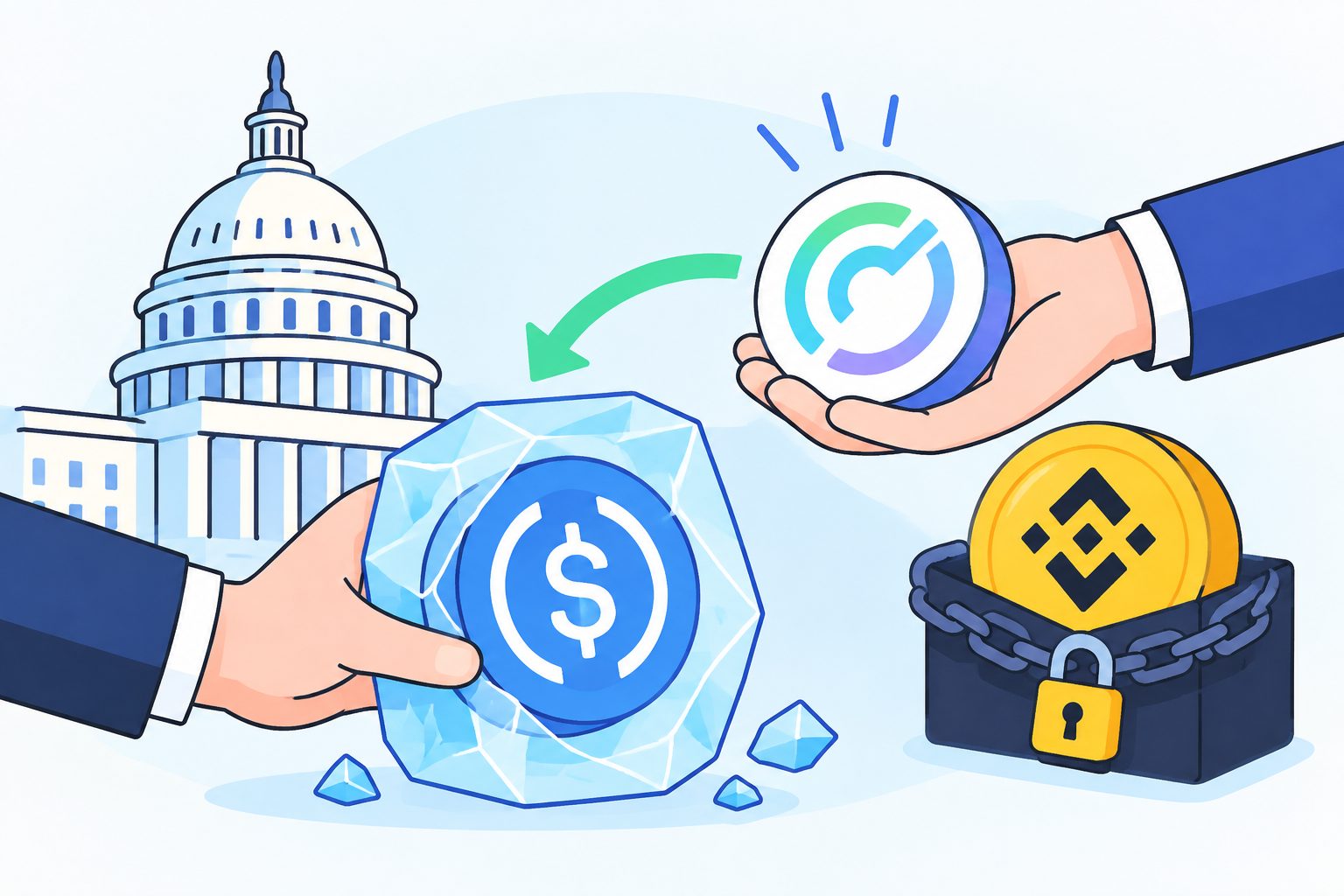
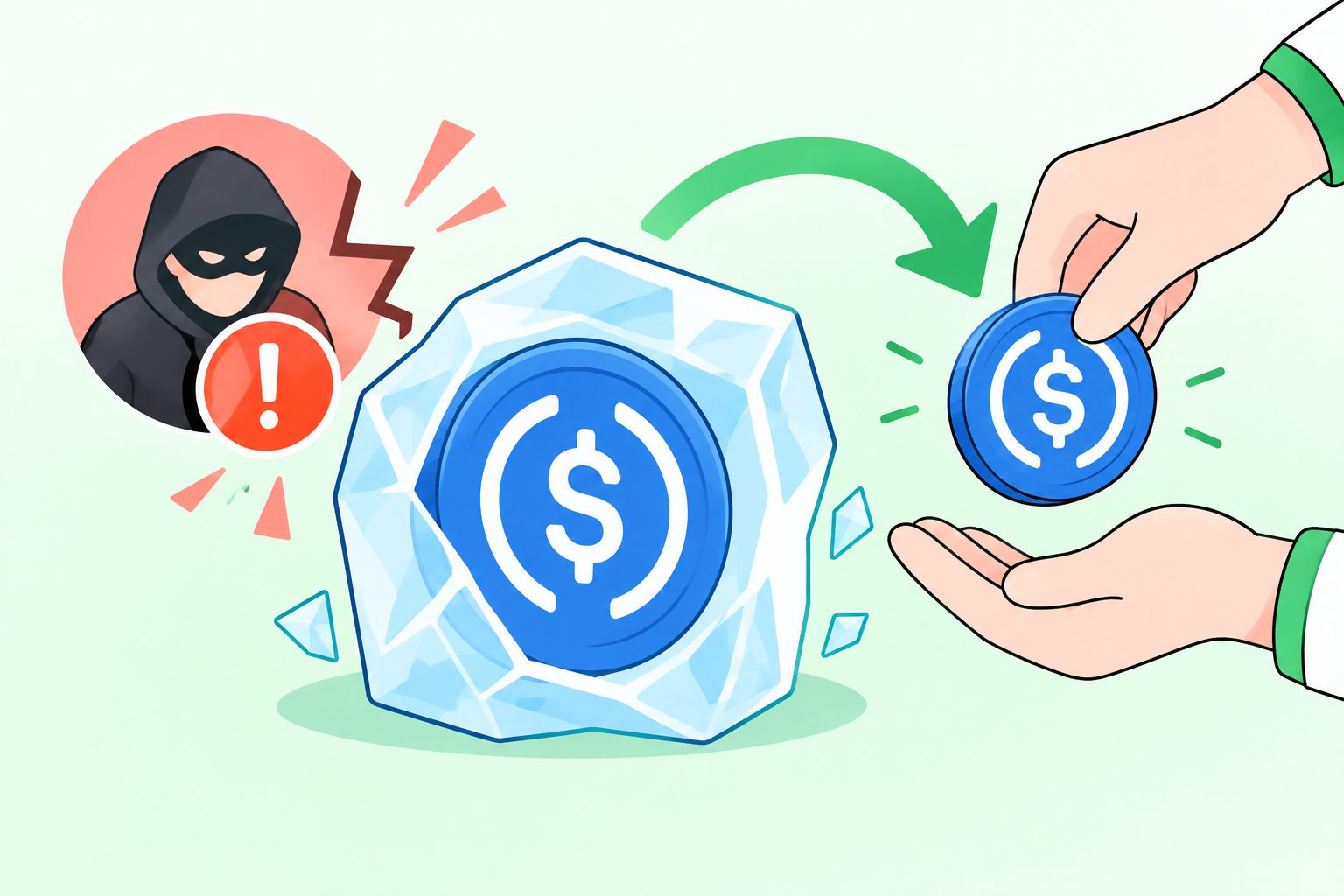
Circle has blocked access to the USDC but cannot move tokens from the wallets holding them. According to the complaint, Circle agreed to issue replacement USDC equal to the amount forfeited and transfer it to the U.S. if a court orders forfeiture.
FBI Cyber Branch Operations Director Brett Leatherman said: “Following the Binance theft, the FBI and our partners moved quickly to trace and freeze stolen assets and share critical information with virtual asset service providers.”
The FBI and partners began tracing and freezing funds within hours of the breach. Investigators identify the group as Lazarus, also known as Advanced Persistent Threat 38 (APT38). North Korea has denied involvement. The Justice Department says the country uses laundering methods to convert stolen cryptocurrency into funds for its regime.
U.S. authorities have helped freeze, seize or return more than $2.9 billion in crypto since the theft. On Nov. 12, the Justice Department said a court had authorized the seizure or restraint of about $1.2 billion; the new filing seeks to extend that hold while the forfeiture case proceeds.
Binance also obtained a worldwide freezing order from Abu Dhabi Global Market courts in November. It covers about 26,000 wallet addresses linked to the stolen funds and does not itself return assets. Binance’s lawyers described it as one of the largest injunctions ever issued.