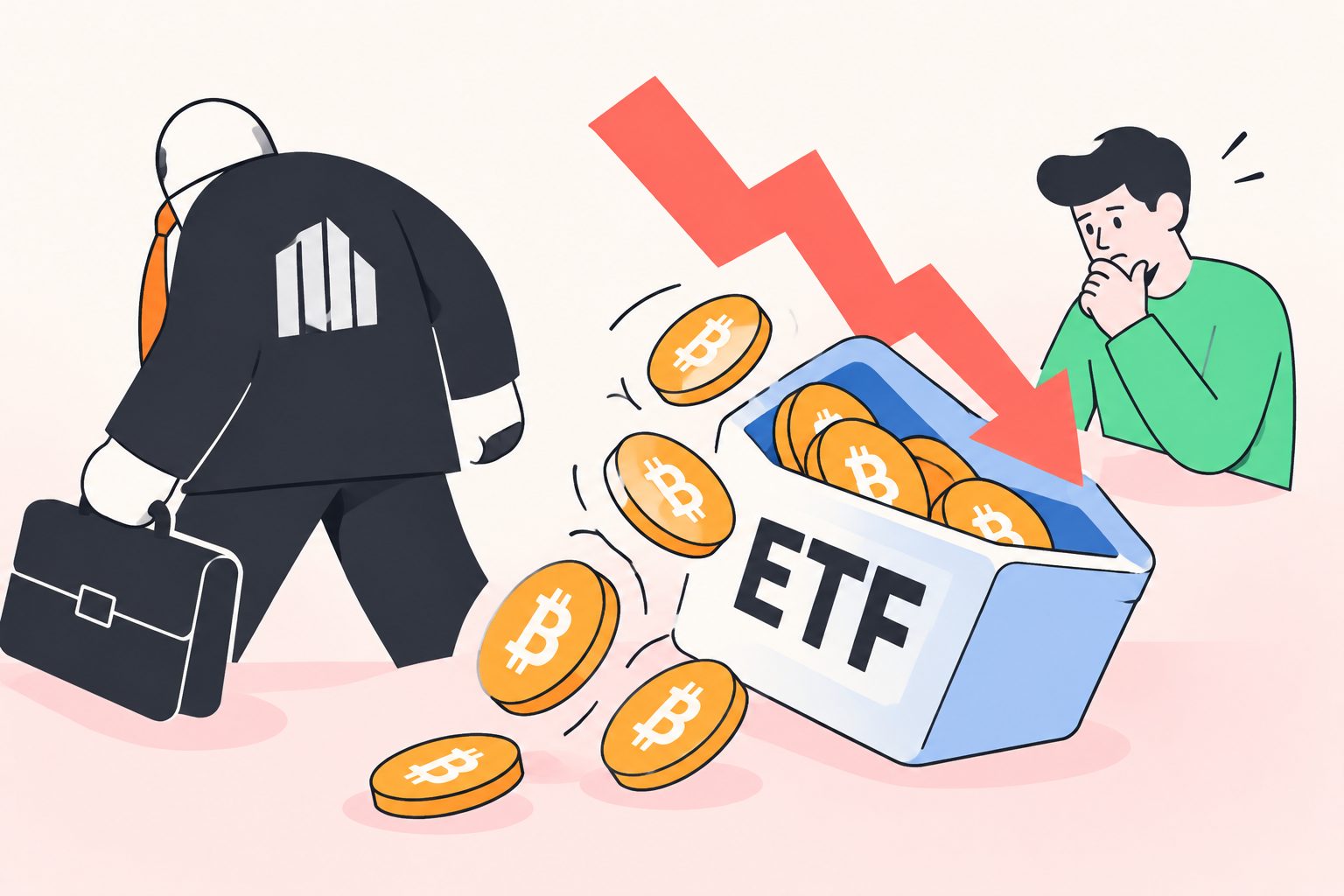
Coinkite’s postmortem lists victim compensation as “Open; no decision.” By Nov. 18, the company had linked about 300 loss-related support tickets to 242 customer accounts, roughly 0.21% of its estimated user base.
Owners with seeds made using the affected firmware are advised to install verified patched firmware, create a new seed and transfer their funds.
The postmortem says Coinkite is examining ways to assist customers, but will announce a program only after its terms and scope are settled. Coldcard is non-custodial, and Coinkite’s figures cover only losses reported by customers. Under recommendation C-15, the company must determine and disclose any compensation or assistance plan. C-15 and further independent reviews, including Edge firmware reviews, were the two unresolved items among 15 recommendations.
Coinkite said: “The losses are real and, for some customers, life-changing. A firmware update or report cannot undo that. We are sorry,” The postmortem puts the theft at 1,778.84 BTC from more than 8,600 addresses. Coinkite asked whoever controls the bitcoin to return it by emailing [email protected], while saying it could not offer remuneration, confidentiality, immunity or a specific outcome. It also warned users to use only support channels linked from coldcard.com, saying unsolicited compensation, migration or recovery offers are likely impersonation attempts.
From March 29, 2021, to July 30, 2026, Coldcard firmware used the Yasmarang MicroPython software generator for wallet seeds instead of the STM32 chip’s hardware random-number generator. Coinkite’s internal evaluations put the affected seeds’ effective entropy at about 40 bits on Mk2 and Mk3 devices and 72 bits on Mk4, Mk5 and Q, versus a target of 128 bits. Attackers began reconstructing private keys offline on July 29; no devices were remotely accessed or compromised. Coinkite identified the failure to verify which random-number code the shipping seed process used as the root cause.
At least 15 security reviews since 2021, including two commissioned outside assessments, missed the flaw. Rob Hamilton’s AI-assisted firmware investigation from May 1 to June 26 produced 85 possible findings but did not detect the seed defect. Coinkite’s postmortem called AI-assisted discovery “a plausible hypothesis” and noted that Kimi K3’s full model weights were released July 27, two days before the thefts began; Bitcoin Core developer Luke Dashjr disputed that the flaw could only be found using AI.
Coinkite found the issue on July 30 and released fixed firmware the next day. Security firm Keylabs’ Oct. 15 evaluation found it fully resolved within the review’s scope in Mk5 versions 5.6.2 and 5.6.3 and Q versions 1.5.2Q and 1.5.3Q. Seeds generated with at least 50 fair, private dice rolls were not weakened. A proposed class action filed by Coldcard customer Amir Reza Naderi in Ontario names Coinkite and co-founders Rodolfo Novak and Peter D. Gray. Naderi alleges they knew of the seed issue from May 2025 but did not notify users; Coinkite denied knowing about it before the thefts. The case also remains under investigation with the Canadian Centre for Cyber Security, and the perpetrator’s identity is unclear.