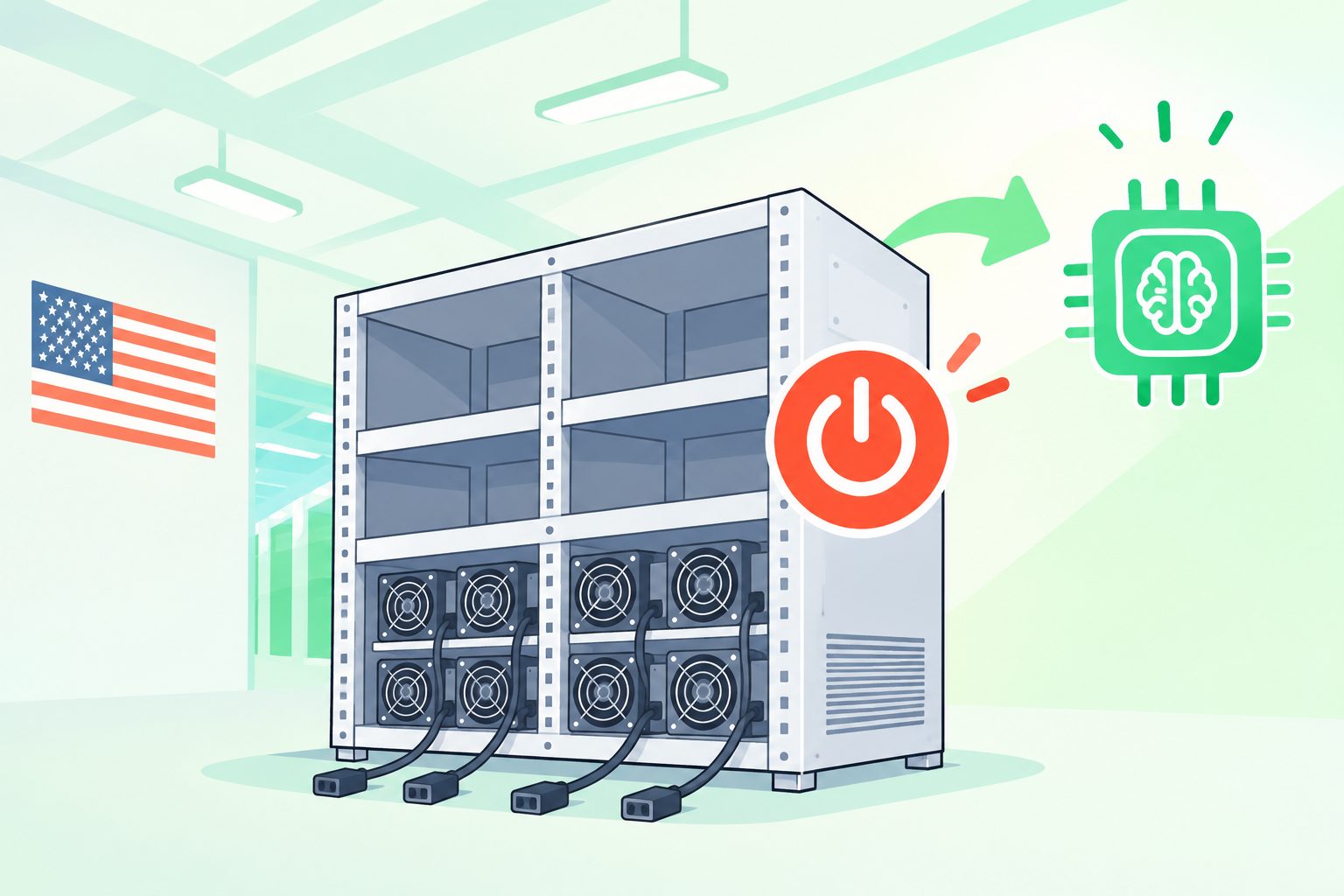
CryptoStar deactivated about 100 Bitcoin miners and related networking and cooling equipment at its Utah site on Nov. 23, citing a revised electricity tariff and Bitcoin’s price decline. Site protection systems remain active, but the company has not said the facilities have been dismantled.
A subsidiary signed a Nov. 19 partnership with an unnamed U.S. AI infrastructure provider to develop hosting services. CryptoStar said the initiative still depends on financial, commercial and administrative conditions.
CryptoStar said it has limited liquid resources and expects to need new financing or negotiated payment deferrals to meet obligations coming due in December 2026. Amounts deferred by some related parties since September remain unpaid, and discussions on bridge financing have not resulted in a binding commitment. The company warned that missed payments could put its leases for the Utah data centers at risk; it also referred to going-concern uncertainties flagged in its interim financial report as of June 30.
The partnership is for hosting customer-owned equipment, with the partner supplying software and CryptoStar contributing infrastructure and operational capabilities. No end-user contracts, project allocations, commercial terms or signed timelines have been disclosed. The agreement allows preliminary work but does not provide working capital or generate customer revenue.
The company says new installations would require applicable permits, including land-use authorizations and municipal licenses. Landlord approval may also be required under the leases. A temporary municipal ordinance covering data centers is expected to expire in March 2027, but CryptoStar cautioned that its expiry would not automatically authorize new activities. The company has not disclosed whether its sites are technically ready for the planned workloads or how much capacity could be used.
CryptoStar plans to file interim results for the period ending Sept. 30 by Nov. 30. An extraordinary general meeting is scheduled for Jan. 7, 2027, with proposals including a consolidation of up to 30 existing shares into one, moving the company’s jurisdiction from Ontario to British Columbia, and changing its name. These are proposals, and a share consolidation would not itself provide funding.