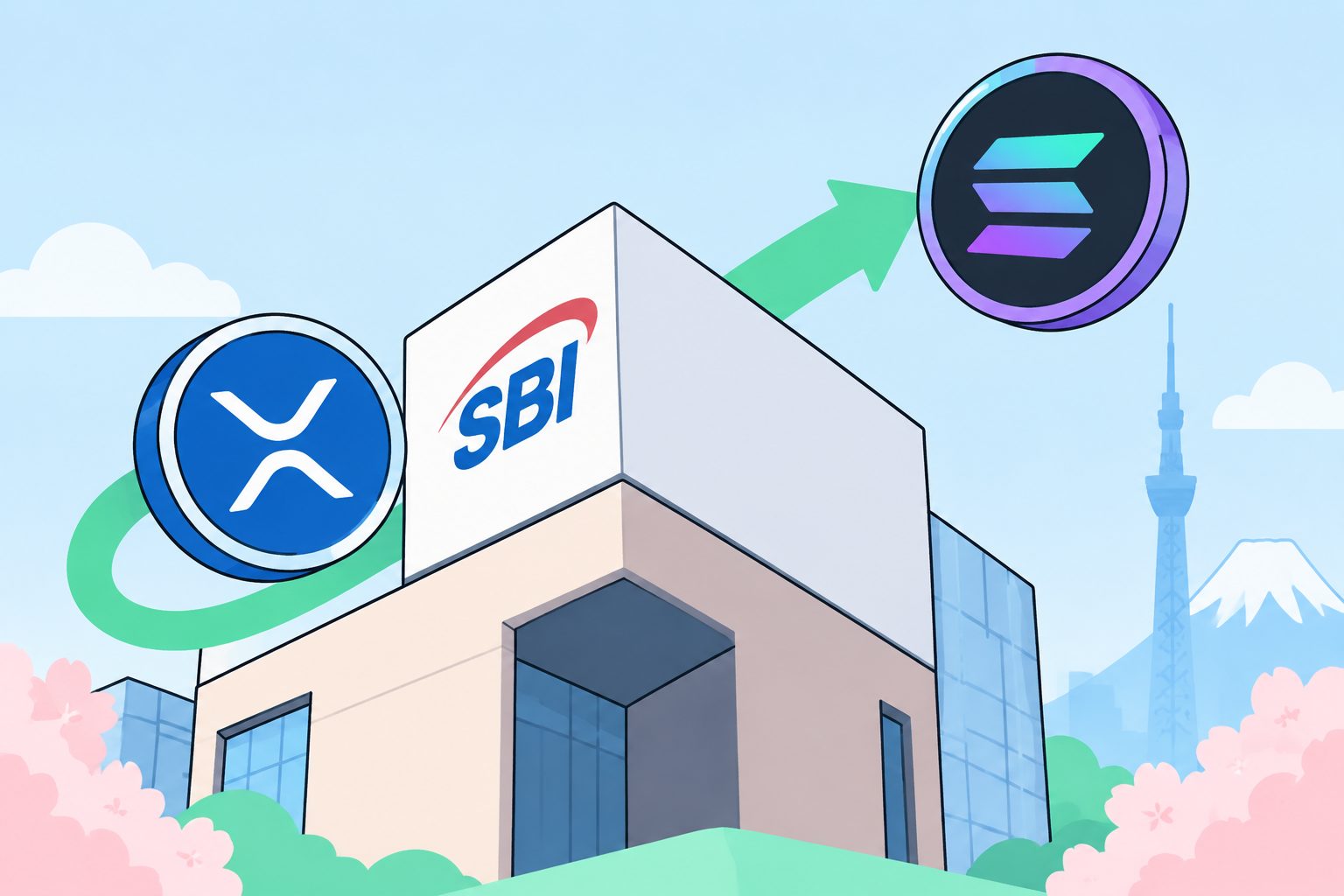

NYSE reportedly chose Avalanche as the sole settlement blockchain for a proposed tokenized-stock platform, pending regulatory approval. Stevenson says settling share ownership and helping overseas investors obtain dollars are separate functions, so the choice does not by itself rule out a role for XRP.
Ava Labs announced that Avalanche would provide the core ledger for the clearing firm behind the platform, while the Wall Street Journal reported that it would be the platform’s sole settlement blockchain. The proposed venue is designed for around-the-clock trading and near-instant settlement.
Stevenson says NYSE tested Avalanche for roughly a year, focusing on speed, predictable costs and the ability to restrict network participation—an important feature for a regulated exchange. AVAX rose by as much as roughly 10% after the news. Stevenson disclosed that she holds AVAX, but cautioned that institutional use does not guarantee token demand: “A network being used by a big name and its token being needed” are different things. She said no revenue figures or NYSE commitment to buy or hold AVAX were disclosed.
Her XRP case is that overseas investors buying dollar-denominated U.S. shares may need dollar or dollar-linked funding when conventional banking services are unavailable. She presents cross-border payment infrastructure, including XRP, as a possible use—not a disclosed partnership: “I’m not telling you that NYSE is going to pick XRP for that.” The platform’s expanded trading access also does not establish that XRP would be needed or that demand for the token would follow.
Stevenson says tokenized stocks could be issued across multiple blockchains, separate from the ledger used to settle trades. The remaining questions are which services institutions adopt, what produces revenue, and whether the activity requires either AVAX or XRP.