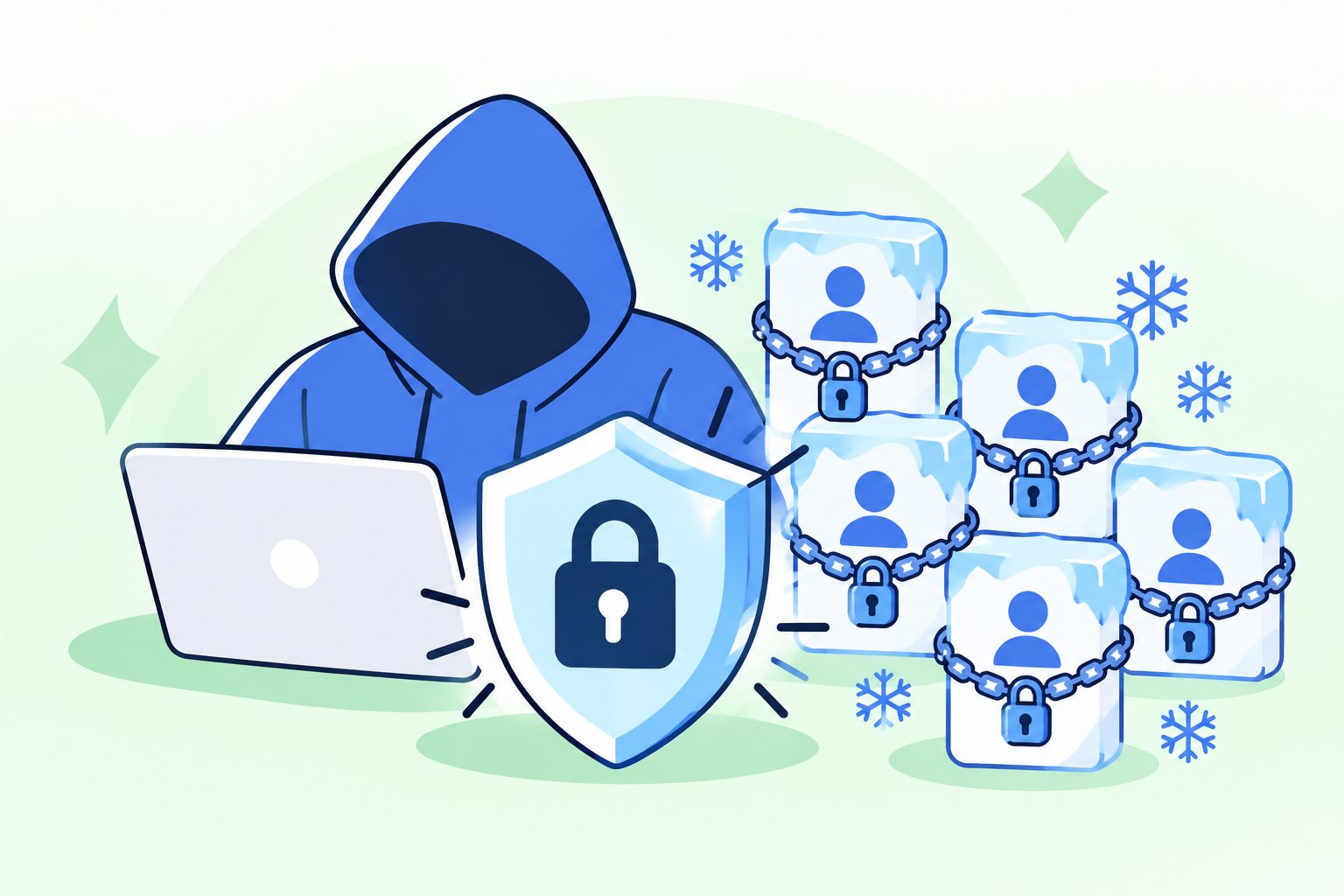
Osmosis validators activated a freeze on 64 accounts linked to the Web3Auth attacker at block 75,640,600 on Nov. 20, with no expiration date. A separate restriction limits coins in 84,002 exposed wallets to transfers to Web3Auth’s recovery address until March 31, 2027.
The v32.0.1 patch bars the frozen accounts from sending tokens, delegating, paying or granting fees, and using authz permissions. Messages made on their behalf through authz, smart contracts or other chains are also rejected. Developers initially listed 48 accounts, then added 16 more on Nov. 19; those addresses had moved funds with previously frozen accounts or sent funds to the attacker’s Ethereum wallets through Squid router. None of the 16 is on the recovery list.
The exposed wallets can send coins only to Web3Auth’s recovery address in transactions paid by one of two Web3Auth fee payers. Their owners can still unlock accounts, cancel unbonding, unstake, and withdraw rewards and liquidity. The March 31, 2027 cutoff includes a seven-day buffer and two 14-day unbonding periods; recovery undelegation may take up to one period to begin if an attacker fills all seven unbonding slots before activation. The patch does not transfer funds.
Osmosis distributed v32.0.1 as a binary swap without a governance vote. Nodes still running v32.0.0 encounter an app hash mismatch at the first block where the rules differ; below the activation height, the releases are identical.
The affected Keplr wallets used Google or Apple social logins and Web3Auth to manage keys. Bitquery estimates that the incident drained at least $6 million from more than 44,000 wallets across eight Cosmos chains. Web3Auth disputes that amount, saying some withdrawals were its own whitehat sweeps to recovery wallets it controls. Keplr says wallets created with hardware devices or recovery phrases were not vulnerable.