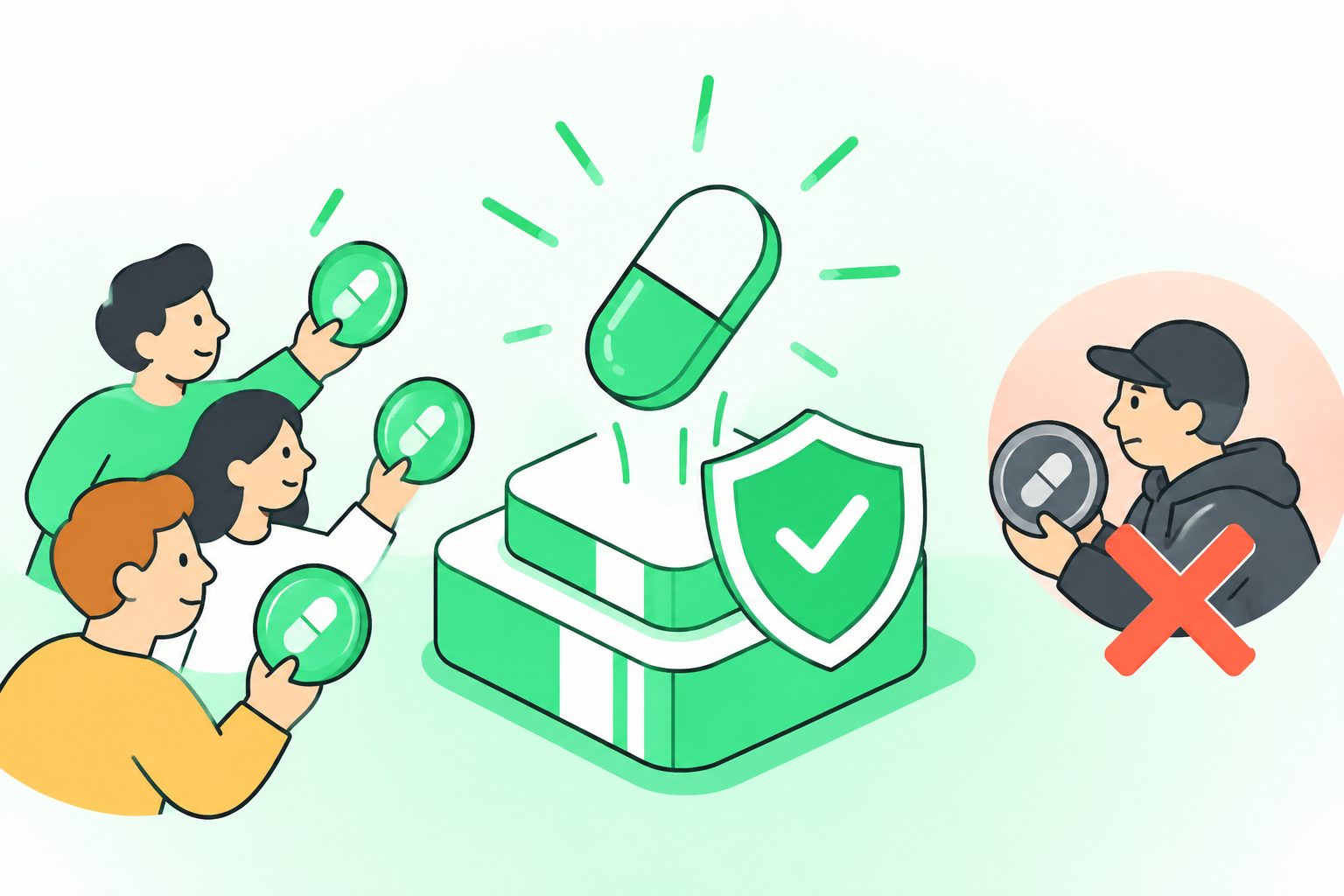
Pump.fun will apply a Block0 fee to trades by non-developer wallets in newly launched tokens starting December 4. The Solana launchpad says the charge is intended to make early trading fairer by reducing the advantage of snipers and coordinated wallets.
Block0 is the block in which a token is created. Pump.fun says creators can buy tokens through developer wallets while using other wallets to acquire more, making developer holdings look like separate market demand. Under the new rule, non-developer wallets trading in Block0 will pay a fee; creators can still buy through their developer wallets without the charge. The platform says the fee is meant to encourage disclosure of developer holdings, not to stop early purchases, and that traders will still be able to see unusually large positions.
Developers may use other wallets in later blocks, where their activity will occur alongside other trades. Pump.fun acknowledged that the fee may not end Block0 bundling, but said it would make the practice more expensive. The fee rate is to be announced before the rollout. Extending charges to Block1 or Block2 is under consideration.
Half of the proceeds will support ecosystem development, including the launchpad, app, trading terminal, rewards and competitions. The other half will fund programmatic PUMP buybacks and burns. Fees will not go back into the tokens they came from, which Pump.fun said would prevent snipers from recouping their costs through reinvestment. The platform expects ordinary traders to see little impact because the charge applies only to the creation block. Co-founder Alon Cohen described the rollout as a first step that will be adjusted in response to trading behavior, feedback and implementation data.
The announcement followed scrutiny of Pump.fun’s wallet migration. Former Mt. Gox CEO Mark Karpelès’ code analysis suggested migrated private keys are sent to third-party custodian Privy, where they are decrypted and stored, raising questions about users’ control. Karpelès said the encryption is not true end-to-end encryption because the backend can determine where keys are sent. In August, Curve Finance founder Michael Egorov called the platform “a casino of scams called meme coins.”