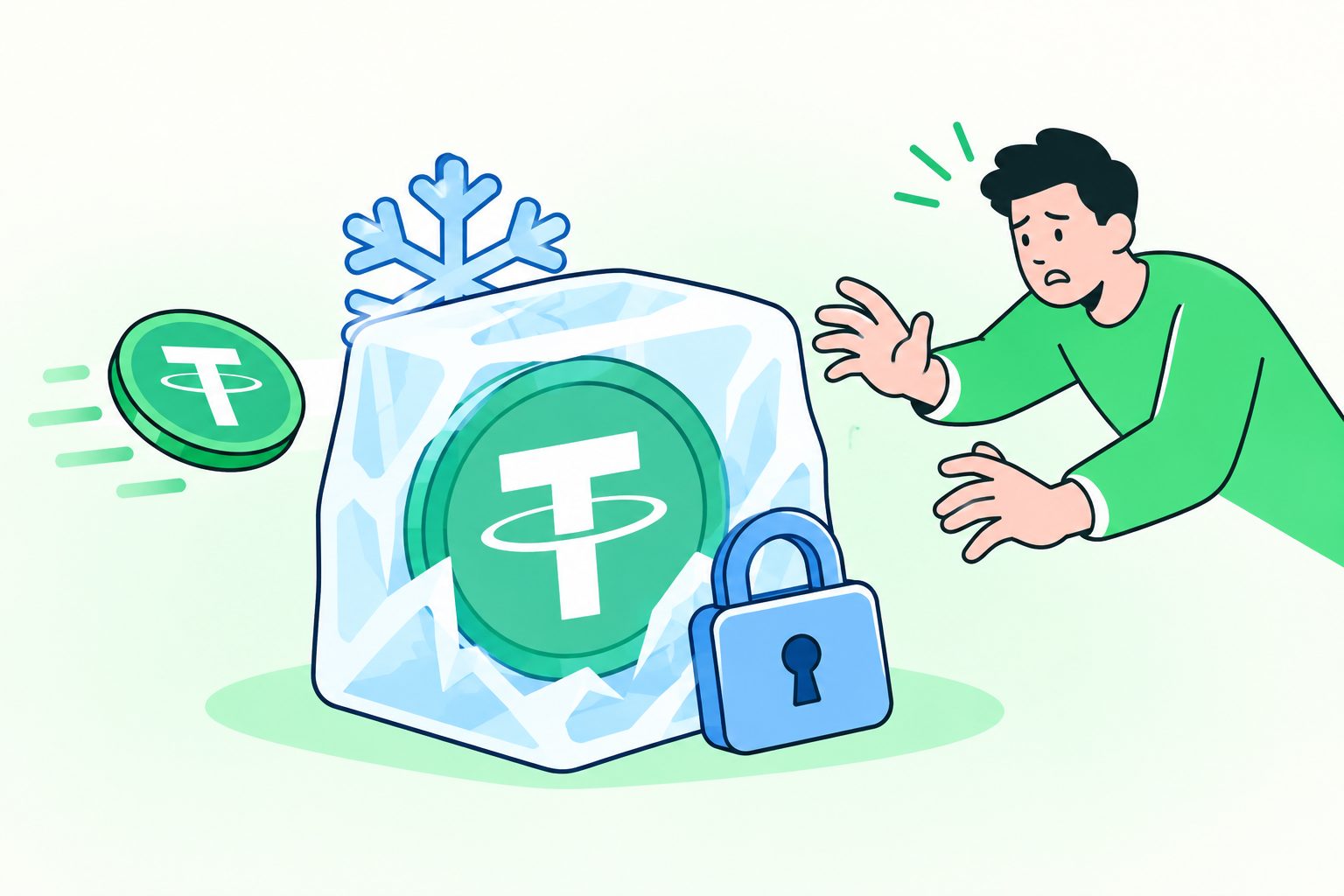
A Bloomberg investigation found that Tether sought a 20% reissuance fee from some claimants seeking frozen USDT. Tether says it has reissued $1.2 billion in USDT and that fees help cover recovery and legal costs.
Singapore-based exchange Bittok lost $50 million in a June 2020 cyberattack, and Tether froze some of the stolen assets. More than five years later, Bittok had not recovered its frozen USDT. Emails reviewed by Bloomberg showed a Tether lawyer telling the entity that acquired Bittok that a 20% fee would apply to any funds returned. Other claimants reportedly received frozen USDT in installments, with comparable fees deducted.
Tether CEO Paolo Ardoino said the company reissues funds gradually in civil disputes to manage legal risks and competing claims. “The problem is there is no guidance; there is no law that guides this,” he said.
The scrutiny comes as issuers step up efforts to freeze stolen assets. During a recent $6.3 billion Binance hack, Tether froze more than $1.5 billion in USDT within 30 minutes; Circle blocked $1.1 billion in USDC. Tether is also setting up direct emergency communication channels with major exchanges.