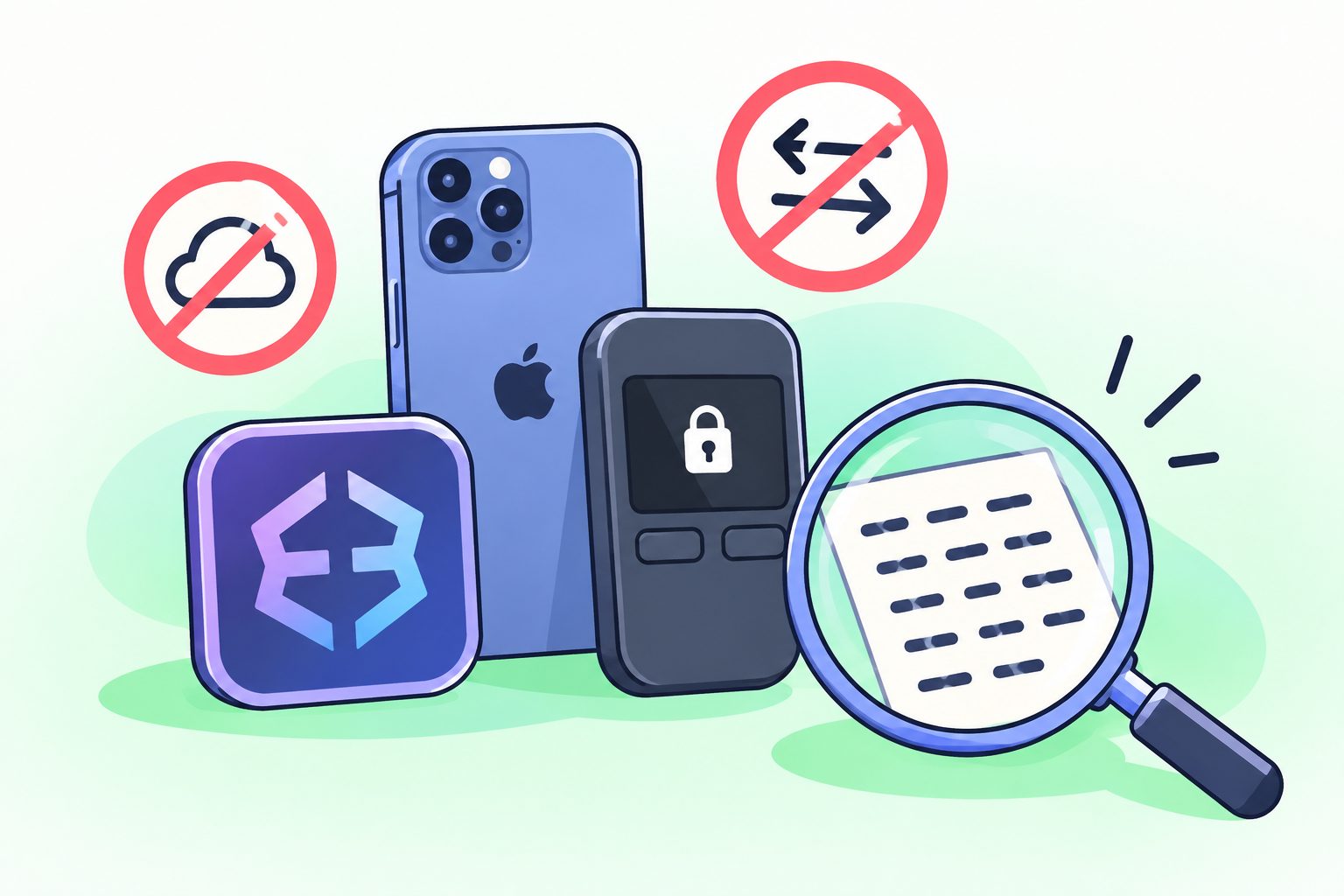
Onchain Lens reported losses of about $580,000 in USDT on TRON, $23,400 in USDC on Solana and another $9,500 from an Exodus wallet on the same iPhone 17 Pro Max. The theft was reported on Nov. 23.
The transactions used the wallets’ signing authority, but that does not establish that the owner knowingly approved them. The breach method remains unclear.
The affected user reportedly generated the Trezor recovery phrase on the device, kept it on paper and did not let anyone physically access the wallet.
A 49,999 USDT transfer on Nov. 21 used the TRON account’s default owner permission. It was a direct transfer, not a transfer-from operation using an existing token allowance. On Solana, the examined instruction listed the victim’s wallet as the transfer authority, signer and fee payer; no separate delegate appeared. The Trezor accounts on both chains shared one recovery phrase, which could connect the losses.
In an X reply, Trezor said similar cases usually involved “a compromised wallet backup.” The company asked the user to contact official support, but its response did not establish the cause of this incident. Trezor says its Bluetooth chip cannot access private keys; Exodus says its Trezor integration also keeps keys inside the hardware. It is unclear whether the user enabled that integration.
Apple’s Nov. 9 update patched Bluetooth issues, but Onchain Lens found no evidence connecting those vulnerabilities to the transfers. Previous incidents include Trezor’s Nov. 12 confirmation that implants in three CryptoBilis-sold Safe 5 devices captured recovery words from device screens. Confiant’s MoldyRoost research documented malicious ads delivering exploits to vulnerable iPhones. Chainalysis counted about 158,000 personal-wallet compromise incidents affecting 80,000 victims in 2025.