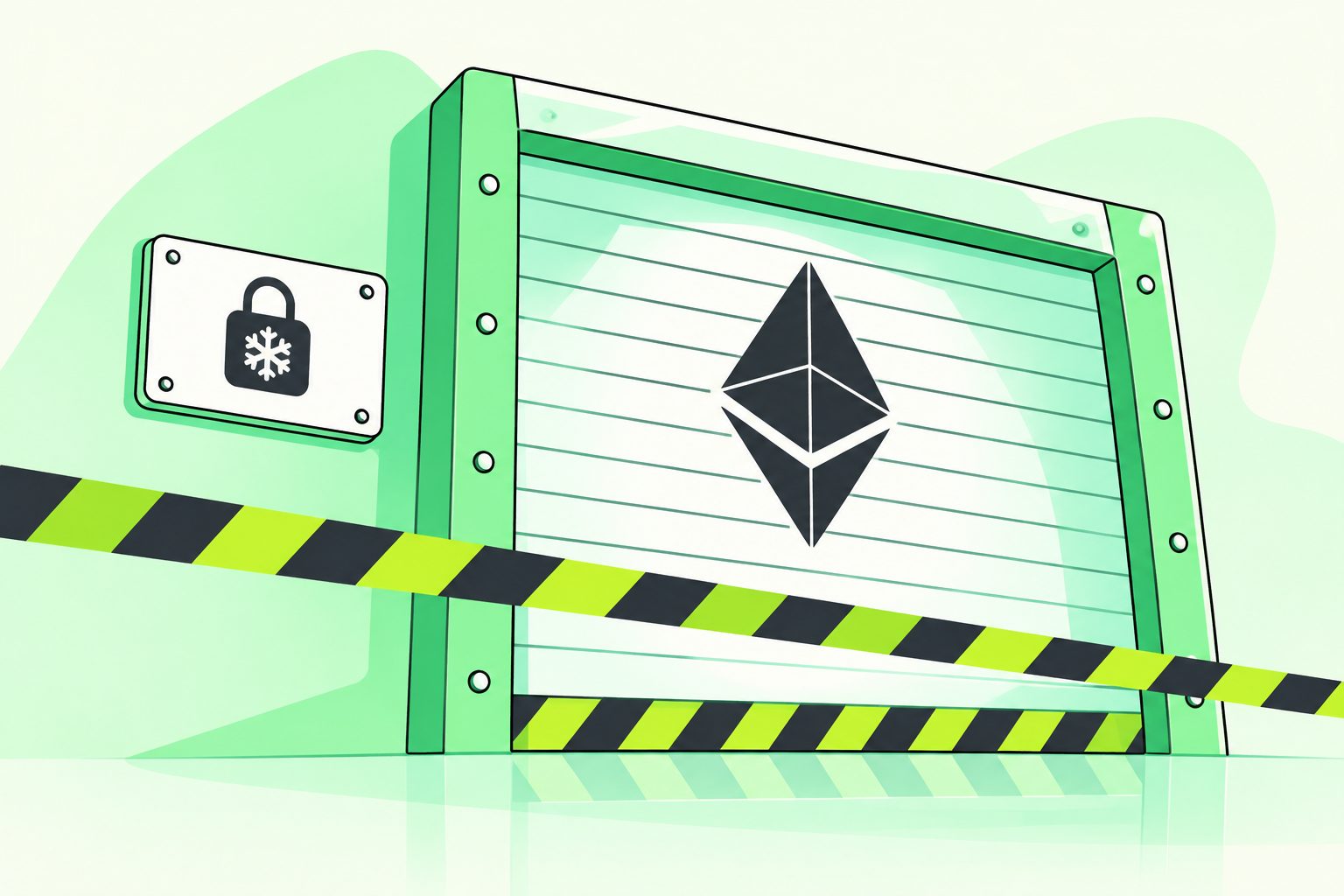


The Justice Department filed a civil forfeiture complaint on Nov. 23 seeking more than $1.1 billion in USDC frozen across 36 wallet and smart-contract addresses on 18 blockchains. The funds were stolen in an Oct. 29 attack that US authorities attributed to North Korea’s Lazarus Group.
If a court approves forfeiture, Circle would issue an equivalent amount of new USDC to the US government. The original tokens would remain frozen in the attackers’ addresses.
Circle told prosecutors it could block the addresses from sending or receiving USDC but could not transfer the tokens because it lacks the attackers’ private keys. The complaint does not specify what will ultimately happen to the original tokens. Prosecutors are also seeking a further restraining order to keep the funds immobilized while the case proceeds.
Binance said it is cooperating with US authorities and industry partners: “We are coordinating closely with the US Department of Justice, as well as with industry partners who have assisted in freezing assets impacted by the incident.” The exchange said it would continue to support the return of affected funds. It had replaced customers’ affected token assets with its own funds by Nov. 13, using its corporate treasury, futures insurance fund and emergency reserves.
Binance appointed Mandiant, SlowMist and Verichains to independently review its security procedures, identify weaknesses and assess its defenses. Chief Security Officer Jimmy Su said the exchange would act on their findings; the reviews had not yet produced results. Court filings allege the attackers compromised an employee using malicious software distributed through a fraudulent recruitment interview before taking control of exchange wallets.
The Justice Department said US authorities have helped freeze, seize or return more than $2.9 billion in cryptocurrency since the attack, which caused more than $6 billion in losses. Circle’s ability to freeze and replace centrally issued USDC offers a recovery route that is not available for native Bitcoin or Ethereum.