Bitcoin traded near $59,500 on Tuesday, down 2.74% on the day, as CoinMarketCap’s crypto Fear and Greed Index registered 9/100, its lowest reading since February. CNN’s Wall Street gauge stood at 17/100, also signaling extreme fear, while the Nasdaq and S&P 500 retreated.
CoinMarketCap’s index had reached 82, a yearly high, three months earlier. Both sentiment measures range from zero to 100 and draw on market momentum, volatility and trading behavior.
AI-related concerns have weighed on markets: the Nasdaq fell about 10% last week, its worst weekly performance since 2020, and the S&P 500 entered correction territory after dropping more than 10% from its October peak. Nvidia shares surged 31.5% on Monday after the board reinstated CEO Jensen Huang, following a near-halving of the company’s market value from its October high, but fell 5.8% in early Tuesday trading. Investors are questioning whether AI infrastructure spending will generate sufficient returns; 52% of respondents to Bank of America’s November fund manager survey expected at least one major cloud company to announce spending cuts within six months. Anthropic shares also dropped below their $83 IPO price, after debuting at $111.50 less than a week earlier. CoreWeave and IREN fell 6.9% and 9%, respectively, while healthcare and consumer staples performed better.
Traders priced in a 98% chance of a Federal Reserve rate hike in December and a 66% chance of another in January, according to CME FedWatch. Higher rates can increase data-center financing costs, reduce the value of expected future earnings and make bonds more appealing than assets such as Bitcoin.
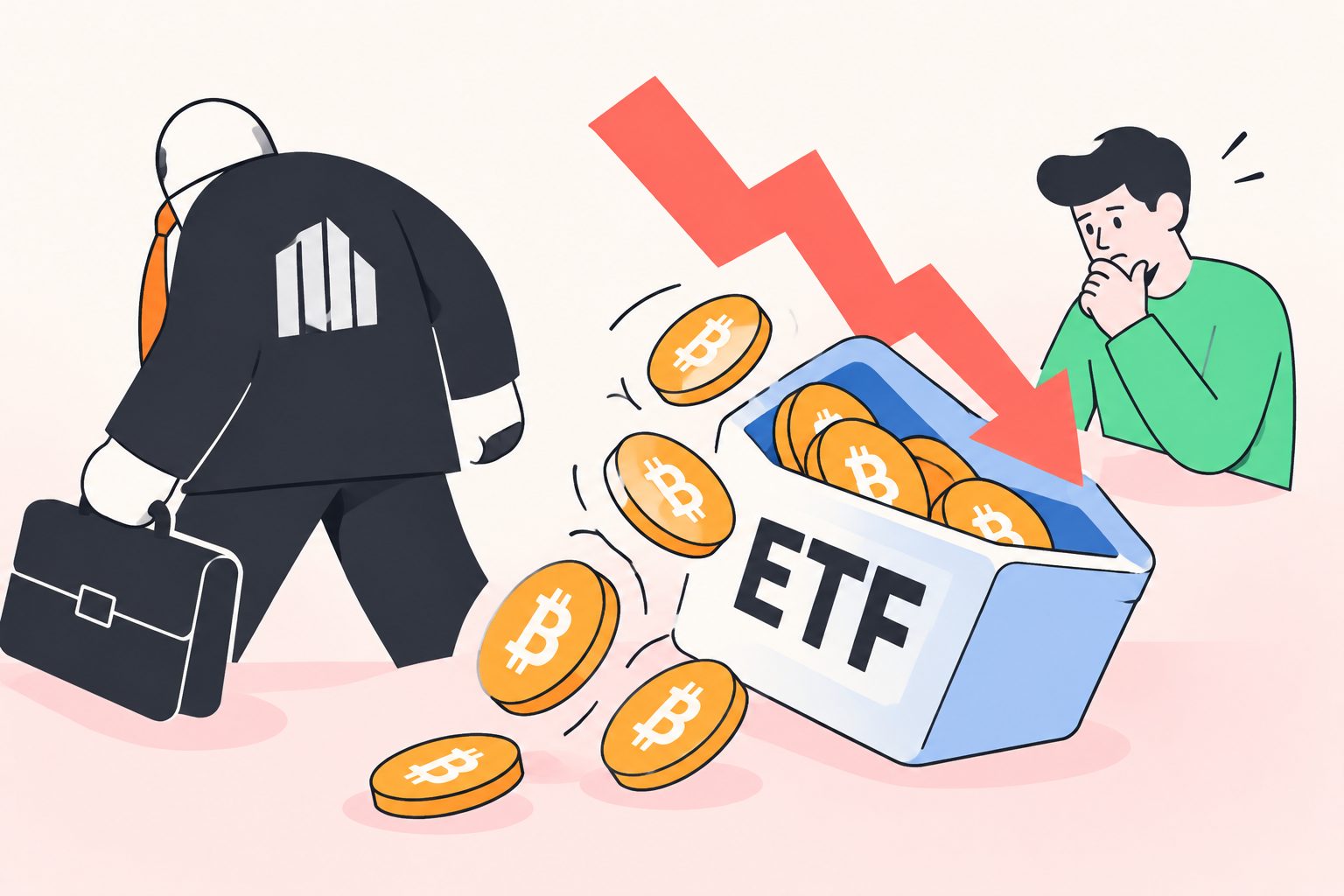
U.S. spot Bitcoin ETFs saw $569.7 million in net outflows on Monday, including $509.3 million from BlackRock’s IBIT, according to Decrypt’s ETF tracker. November withdrawals reached $4.71 billion with four trading sessions left, surpassing the previous monthly record set in June.
Bitcoin was about 53% below its October 2025 record, and its September recovery above $85,000 had largely faded. The $60,000 area had attracted buyers in February and June; Friday’s decline toward $55,000 offered another potential support zone, with past buying around $50,000. Extreme fear has sometimes coincided with buying opportunities but does not reliably identify a bottom, especially amid institutional outflows. The U.S. was due to release its Personal Consumption Expenditures inflation measure on Wednesday, the last major data release before the Fed’s December policy meeting.