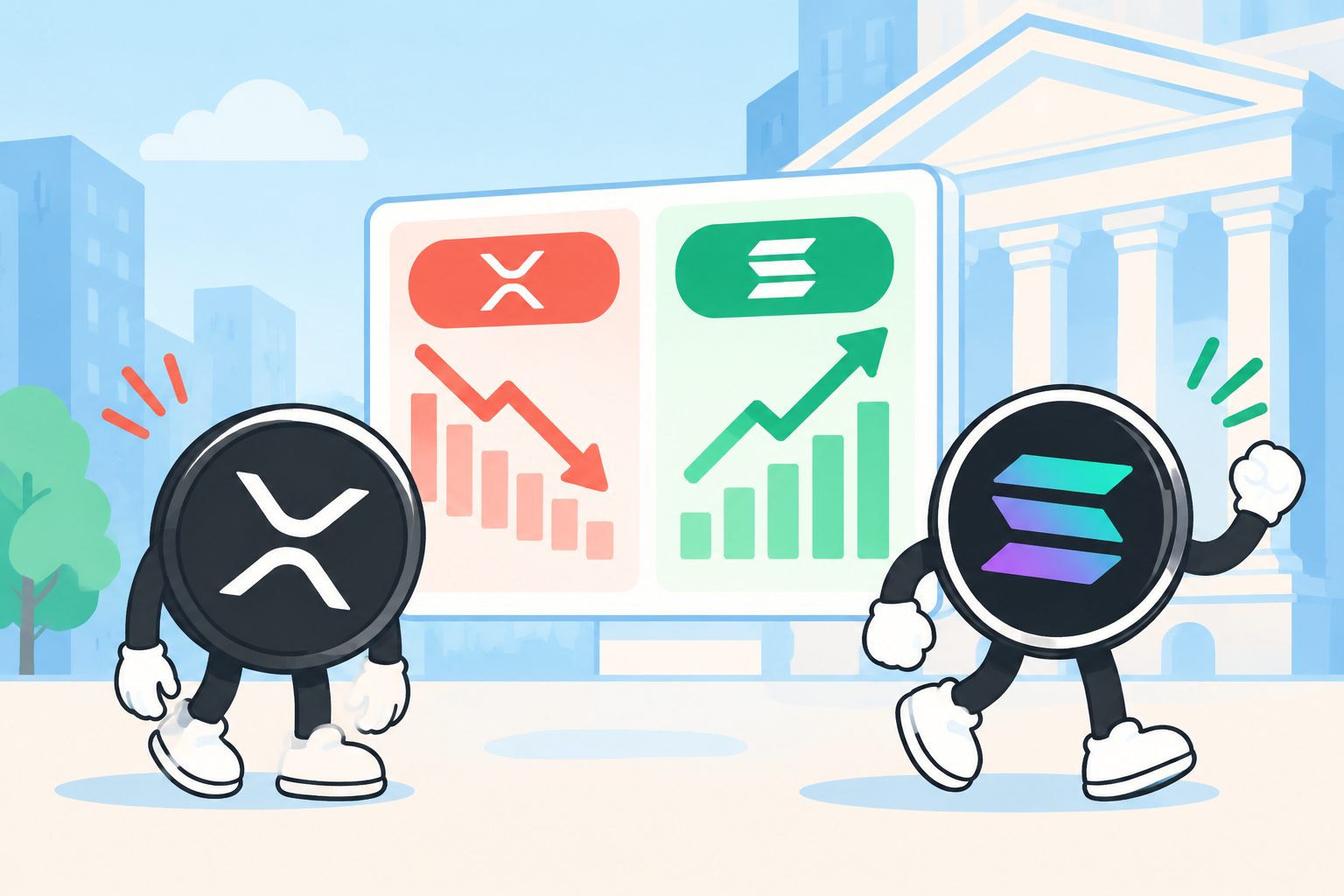

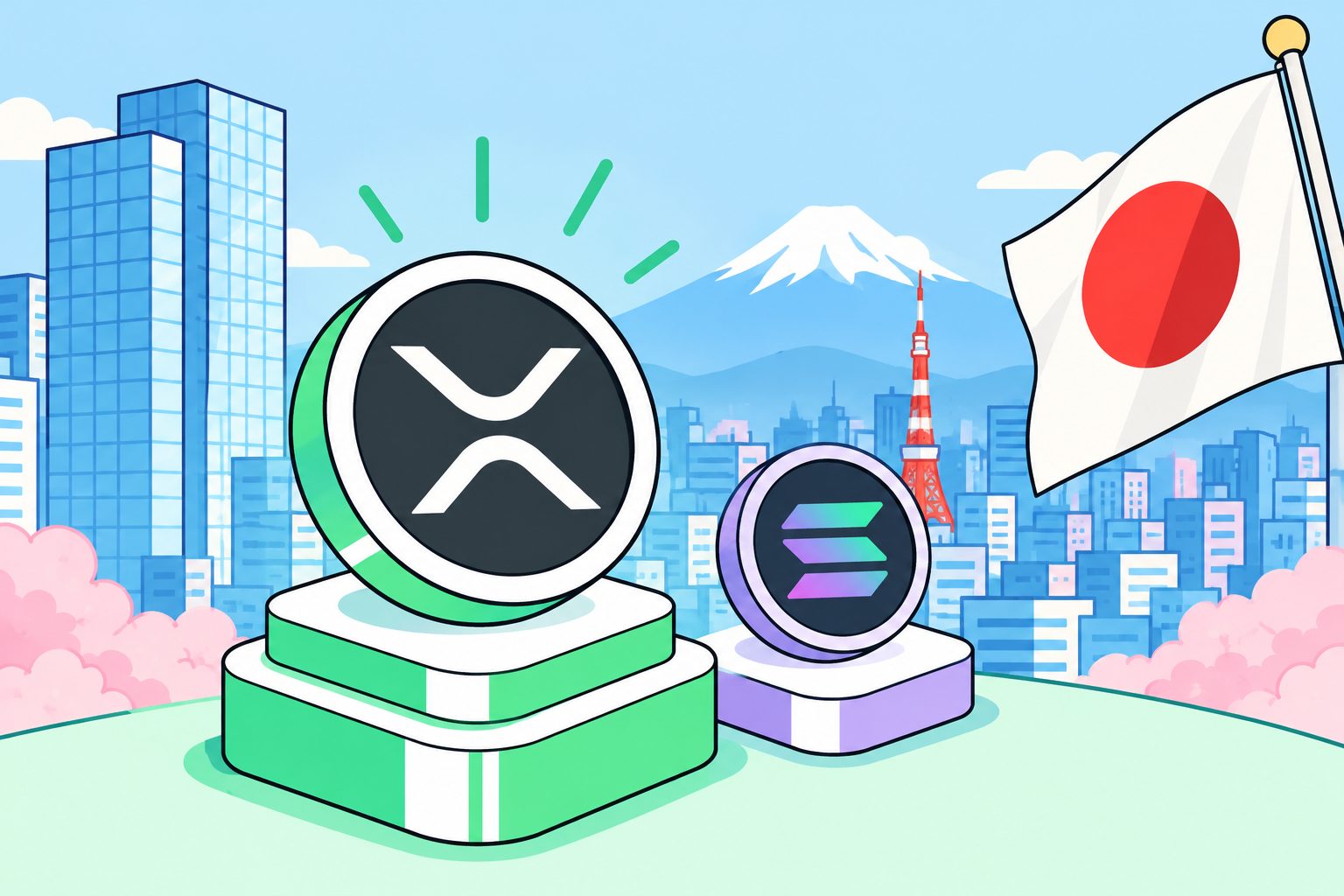
Japan’s exchange data put XRP spot volume at about ¥132.8 billion in September, or 15.3% of the market’s ¥868.3 billion total. XRP ranked third behind Bitcoin and Ethereum; its volume was nearly 6.8 times Solana’s ¥19.5 billion. Dogecoin recorded ¥11.3 billion.
XRP’s Japanese presence has been built over time. SBI Holdings and Ripple formed SBI Ripple Asia in 2016 to develop blockchain financial services. SBI Remit began using XRP as a bridge currency for transfers between Japan and the Philippines in 2021, then expanded XRP-powered remittances to bank accounts in the Philippines, Vietnam and Indonesia in 2023. SBI’s February 2025 disclosures identified the group as Ripple’s largest external shareholder, with about 9% ownership at the time. SBI VC Trade said it surpassed two million registered accounts across its crypto platforms in July 2026.
SBI has also tied XRP to consumer finance. In February 2026, it announced a ¥10 billion blockchain-based bond offering XRP rewards to individual investors. A May partnership with Visa introduced cards that reward everyday spending with Bitcoin, Ethereum or XRP; the program expanded in October to corporate representatives and individual business owners. Japanese companies have also included XRP in shareholder benefit programs, while Ripple’s RLUSD stablecoin is distributed through regulated Japanese crypto infrastructure.
The Japan Virtual and Crypto Assets Exchange Association’s Nov. 2 Green List included XRP at 20 member companies, compared with 30 for Bitcoin and 29 for Ethereum. Consumer-facing integrations, including those involving Rakuten, add to XRP’s distribution beyond exchange trading.