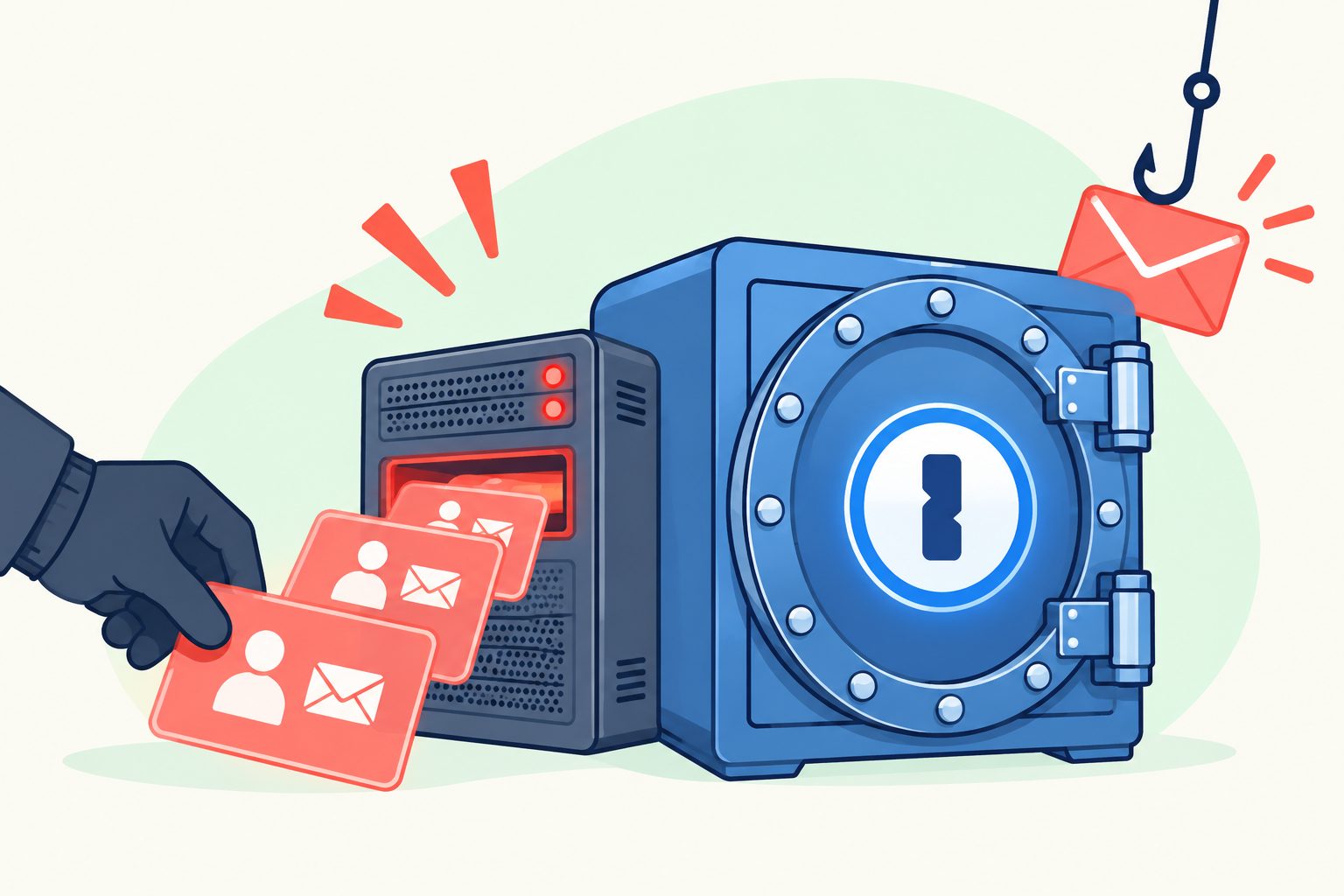
The attacker used a compromised corporate GitHub account to insert malicious code into 1Password’s backend and take customer records, some recovery-related tokens and private source code. The company said vaults remained protected because it does not store account passwords or Secret Keys needed to decrypt them.
1Password began investigating on November 19. Stolen customer information included names, email addresses, account identifiers, account creation and sign-in times, and non-secret technical metadata. The attacker also copied public keys, authentication parameters and tokens from some invitation, provisioning and account recovery links. 1Password said those tokens could not grant access on their own, as users would still need to sign in or verify their email.
The attacker also accessed software deployment systems. 1Password disabled the compromised account and rotated potentially exposed credentials, and said it had found no evidence of account takeovers through exposed provisioning tokens.
The breach prompted different reactions. Akash Network founder Greg Osuri said his trust was “heavily diminished” and called for an option to keep vaults entirely local. Crypto and blockchain CTO Nicki Sanders said, “The part that worries me is how they got in.” Trading Strategy co-founder Mikko Ohtamaa favored open-source alternatives, arguing that transparency could help detect persistent attacks. X user Tom Lombardi called the incident, “Bad, but not a deal killer.”
Binance co-founder Changpeng Zhao initially urged users to change all passwords. After 1Password said passwords were not exposed, he acknowledged the clarification and suggested checking for weak passwords and changing login email addresses to reduce phishing risks.
Stolen account details could help scammers create convincing recovery messages. Unit 42 tracked fake IT-support voice calls targeting more than 150 employees across at least 10 companies between January and April 2026. Binance’s risk account has also documented WhatsApp impersonators using alleged P2P account problems to solicit login QR-code scans, while Ledger’s campaign tracker recorded fake support calls and physical letters aimed at stealing recovery phrases.