
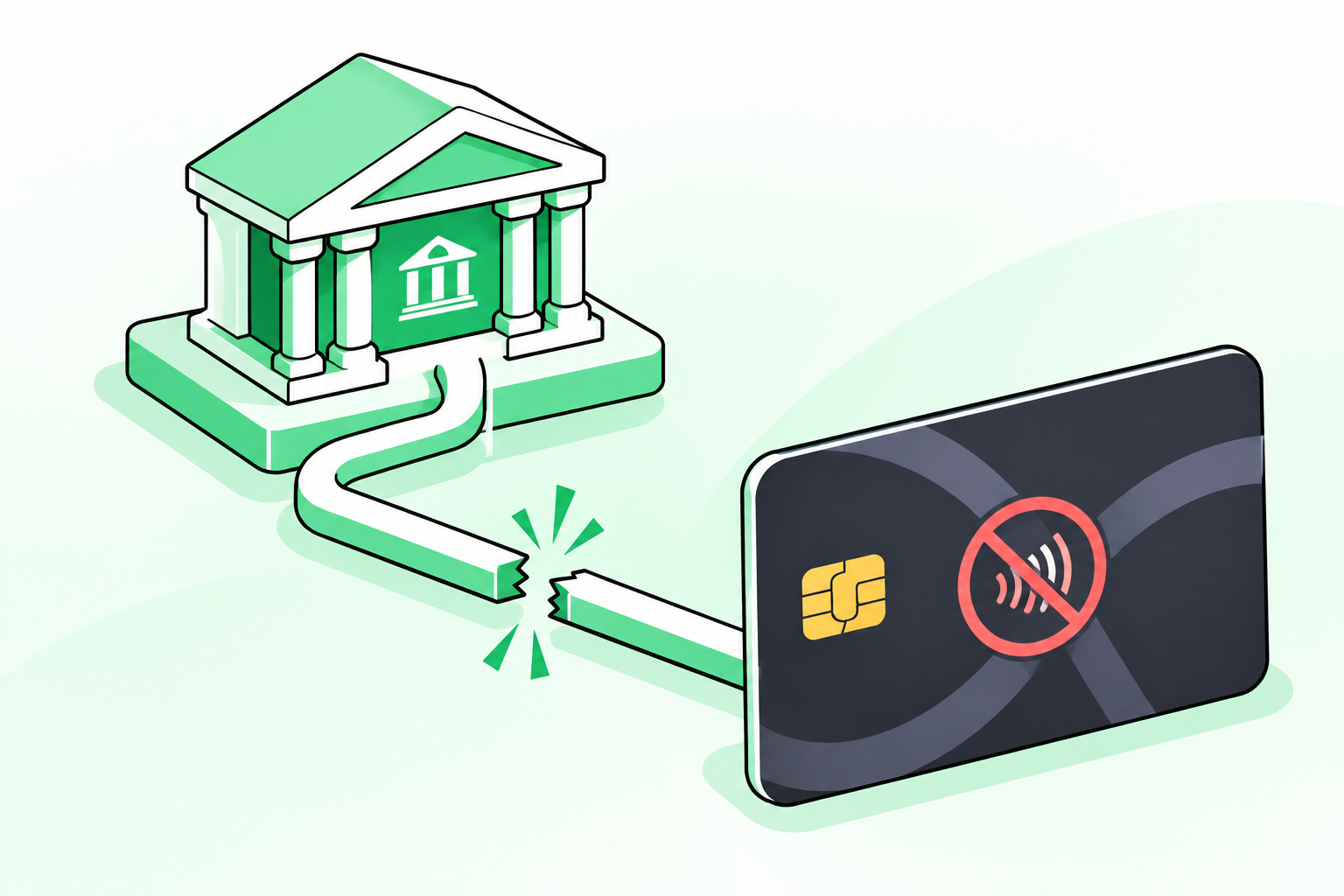
MEXC shut down its Visa-based Global Card on November 18, giving users about eight and a half hours’ notice and citing changes by an unnamed third-party issuer. The closure followed a November 6 FinCEN order targeting US institutions’ dealings with MEXC, but no party has confirmed that the order caused the shutdown. FinCEN alleges $16.7 billion in likely illicit flows through the exchange from May 2021 to May 2026.
The card was switched off at 15:30 UTC. MEXC’s notice attributed the move to “service adjustments by our third-party card issuer” and urged customers to withdraw card balances and cancel recurring payments before the cutoff. The FinCEN order takes effect on December 10, with no stated end date, and requires US banks, money services businesses and brokers covered by federal rules to stop transferring funds to or from MEXC. MEXC said on X on November 7 that its legal and compliance teams were reviewing the order and that it was operating normally.
FinCEN designated MEXC a “primary money laundering concern” connected to Russian illicit finance. Its assessment puts likely illicit flows at $16.7 billion over the period from May 2021 to May 2026, including about $1.99 billion linked to cyber criminals, $1.87 billion with exposure to Iran and nearly $1.5 billion tied to Russian sanctions evasion. These are allegations and assessments, not court findings.
MEXC introduced the Global Card on August 31 as a virtual Visa card funded by USDT. It advertised up to 10% cashback and a purchase limit of 80,000 USDT. The product lasted 79 days. Remaining card balances were moved to users’ spot accounts, with a final snapshot on November 21; refunds for earlier purchases were to go to users’ fiat accounts once MEXC received them. Card records were to remain available for three months.
MEXC did not issue the card directly: the unnamed outside issuer handled that role. In a typical card programme, an issuer screens customers, connects to the card network and settles purchases in ordinary currency. The article notes that card networks are not listed among the financial institutions bound by FinCEN’s order, but says the order’s broad transfer ban is intended to prevent funds reaching MEXC through other foreign banks when correspondent-account restrictions alone might not suffice. Partners settling dollars through US banks could face exposure from December 10, while sanctions screening creates another risk. Reliance on a single issuer also means that partner’s withdrawal can halt the whole programme.
The issuer’s identity and the meaning of its “service adjustments” remain undisclosed, and the article found no public comment from Visa. No party has said the FinCEN order prompted the closure. The article’s day counts and notice period are Catenaa calculations based on timestamps; its description of the payment dependency chain is Catenaa analysis, not a finding by FinCEN or MEXC. Catenaa explicitly makes no claim that the order caused the shutdown.