Binance said on November 23 that the order may have affected accounts unrelated to the case. Users have until November 24 to contact the plaintiffs’ lawyers and object; the freeze remains in place through November 27, unless extended. Binance says it cannot release the funds on its own.
A Colorado judge signed the temporary restraining order on October 29, targeting Huione Group and Xinbi, which are accused of laundering criminal proceeds. The US Treasury says Huione laundered at least $4 billion between 2021 and 2025. TRM Labs estimates Xinbi processed more than $24 billion, mostly in USDT on TRON. The order directed Binance and OKX to freeze accounts linked to specified deposit addresses, and plaintiffs served notice to 27,304 TRON addresses. Blockchain tracing can also ensnare funds belonging to people with no connection to the alleged crimes. Because the case was sealed, Binance support initially referred users to a “Sealed Case Name.”
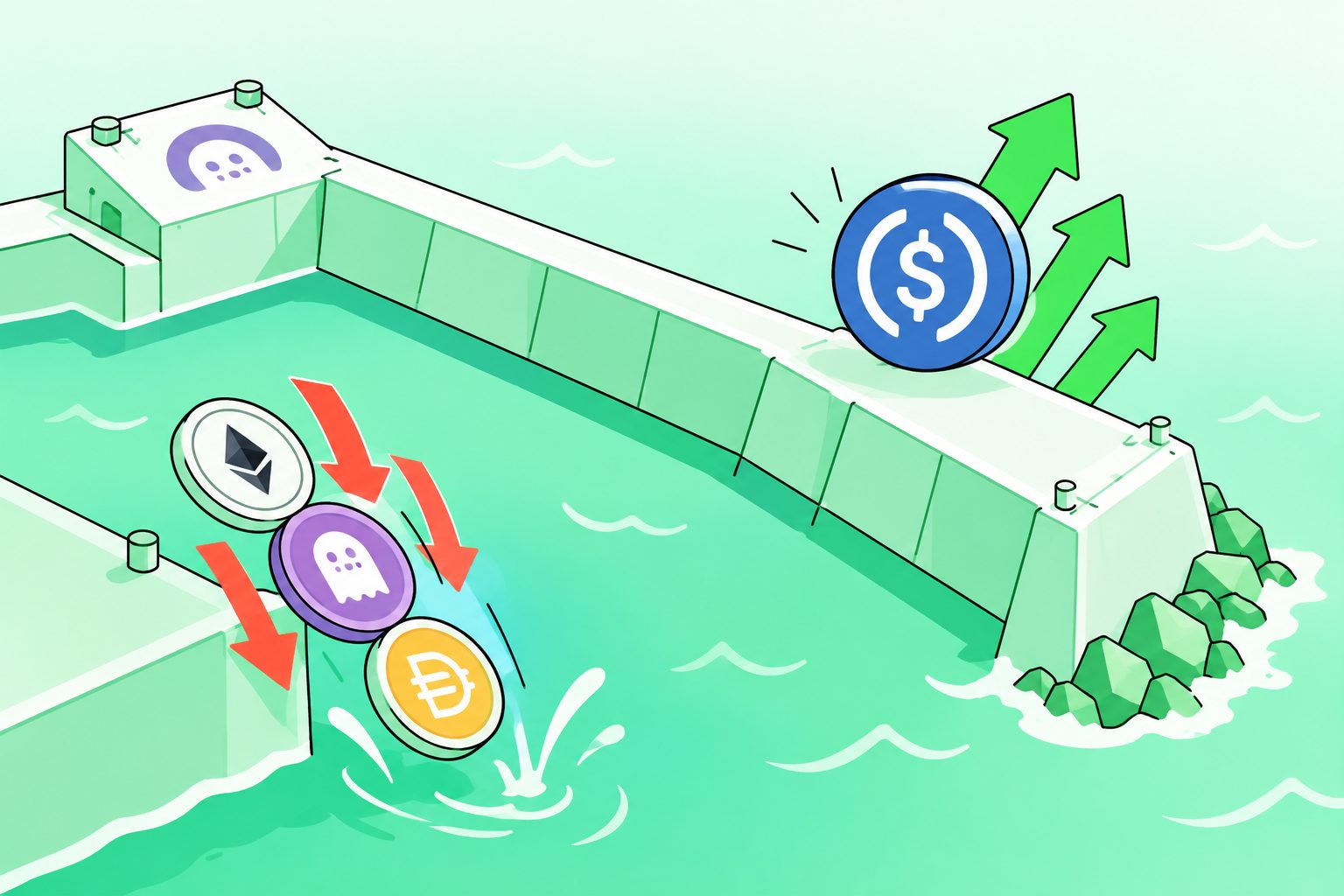
The risks of rapid freezes extend beyond this case. On the same night the Colorado judge signed the order, Binance was hit by a major hack. Tether blacklisted 971 million USDT within 57 minutes, and issuers and protocols froze $2.84 billion in roughly 12 hours, according to Recoveris. Those freezes came before a court ruling; US prosecutors later obtained approval to seize $1.2 billion. On November 18, Binance secured a $6.5 billion worldwide freezing order from an Abu Dhabi court covering about 26,000 wallets, including parties it does not accuse of wrongdoing.
An English court previously lifted a freeze after an applicant failed to disclose that a wallet held pooled funds belonging to exchange customers. At a BeInCrypto Market Intelligence Expert Council discussion, CMS adviser Erica Stanford warned: “There’s definitely good use cases for freezing crypto assets… what you also don’t want is a new version of fiat money where at their will governments can freeze money, can seize money, can stop you having money.” Recoveris co-founder Patrick Prinz said: “I just wish there would be a clear seizing and freezing policy.”