Russia’s Central Bank Directive No. 7438-U permits authorized exchanges to launch crypto trading once their procedures are approved by the regulator. Platforms must register brokers, custodians and other participants, track orders and transactions, calculate prices and trading volumes, and submit data to the central bank.
The licensing framework also requires crypto transfers to go through approved intermediaries. Non-qualified investors are limited to 300,000 rubles (about $3,700) in digital-asset purchases a year.
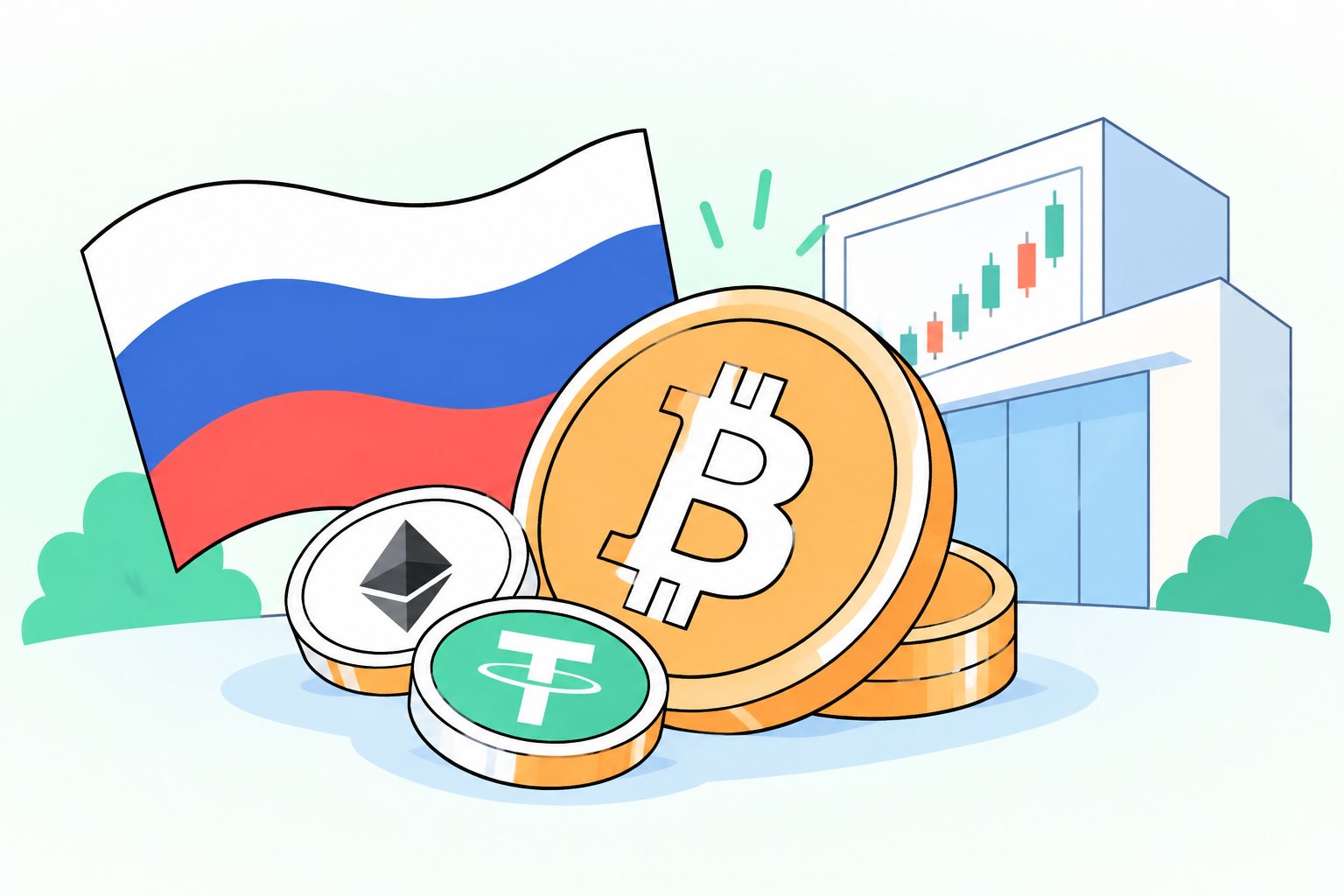
A separate central bank directive effective Nov. 17 allows ordinary Russians to buy Bitcoin, Ethereum and Tether. Nearly 30 companies and institutions, including major banks and exchanges, have registered to provide crypto trading services. Retail and professional investors must pass risk-awareness tests, but Deputy Governor Philipp Gabunia said in November that the central bank expected to finalize access requirements by Dec. 1 and anticipated trading to begin afterward.
Sberbank and the Moscow Exchange have said they plan to start trading on Dec. 1. The St. Petersburg exchange, which is testing its platform, expects to support the three leading coins by year-end. Its CEO, Evgeny Serdyukov, said some trades may occur in 2026, but most participants would not offer “industrial-scale” services until next year. VTB and T-Bank say they are ready to offer crypto trading once the remaining rules are in place, while several brokerages, including T-Bank’s T-Investments, do not plan to enter the market by 2027.
Russia has eased its crypto stance amid sanctions and says it is developing domestic infrastructure, though critics argue strict rules leave little room for independent firms. Some experts see the market potentially reaching 1 trillion rubles (more than $12 billion). Chainalysis data, however, shows Russia’s crypto economy contracted 14.7% in the year through June 2026; several foreign platforms have since left the country, citing regulation.